Xi praises US-China relations as the most important in the world but cautions Trump on Taiwan.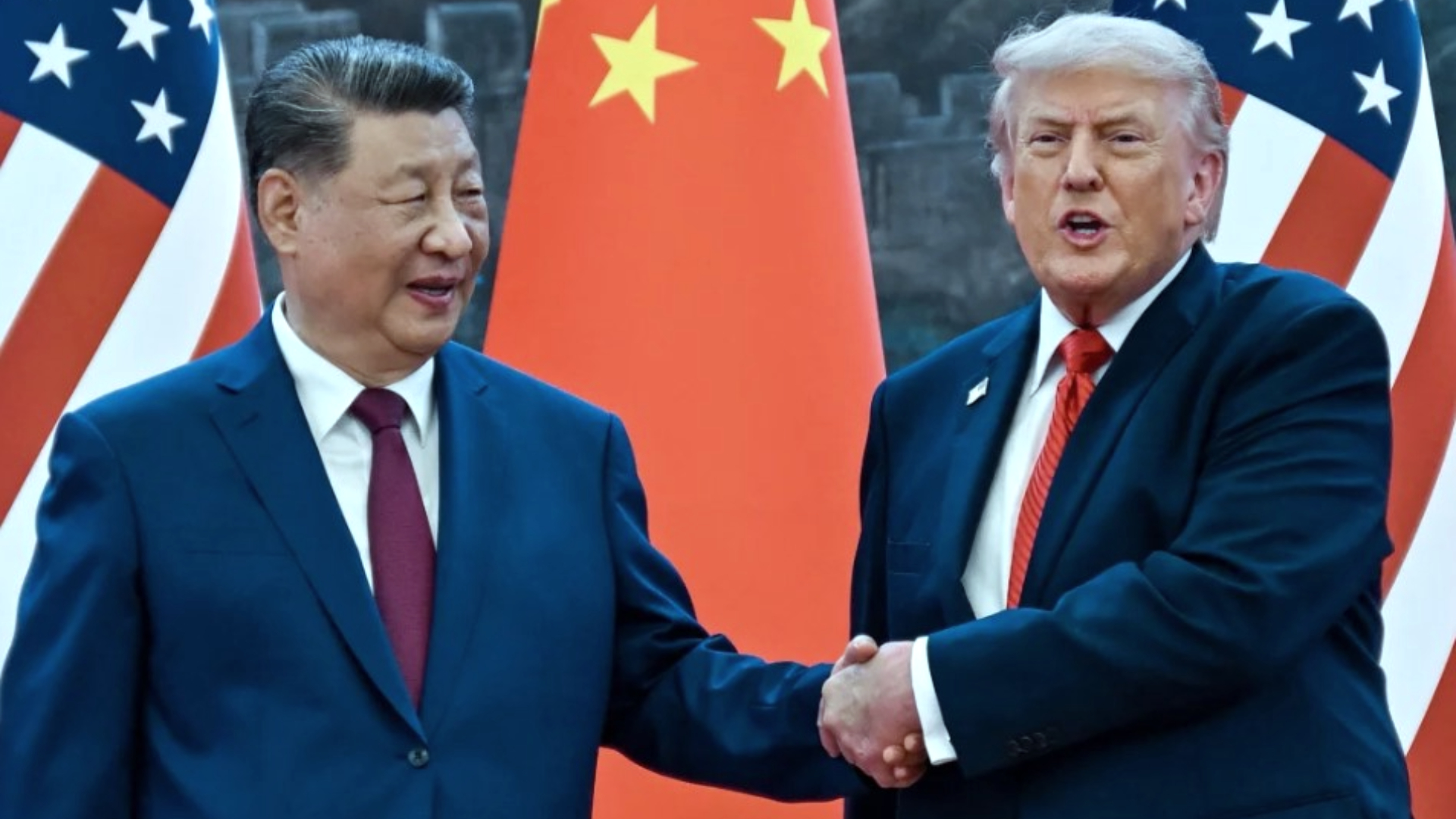
China and the United States, widely recognized as the two most powerful economies and politically influential nations on Earth, entered another critical phase in their complex relationship as Chinese President Xi Jinping welcomed US President Donald Trump for a historic summit in Beijing. The high-level meeting unfolded during a period of mounting geopolitical uncertainty, economic instability, and escalating international conflict, turning the gathering into one of the most closely watched diplomatic events in the world.
Global attention focused intensely on the summit because the relationship between Beijing and Washington extends far beyond ordinary diplomacy. Every decision made by the two governments has the potential to affect global trade, military stability, energy markets, technological innovation, financial systems, and international security. Against this tense backdrop, both leaders attempted to present an image of dialogue and cautious cooperation, despite years of rivalry and mistrust.
The summit took place while the world continued to grapple with multiple crises at once. Ongoing wars, supply chain disruptions, inflation concerns, rising military competition in Asia, and fears surrounding the conflict involving Iran all contributed to the urgency of the discussions. Analysts around the globe viewed the meeting as more than a symbolic diplomatic exchange; many believed it could help determine whether the world’s two largest powers would move toward deeper confrontation or a more stable coexistence.
During an elaborate state banquet held after several rounds of private talks and official meetings, Xi Jinping delivered a lengthy speech emphasizing the importance of preserving stable relations between the two countries. His remarks carried a tone of caution, optimism, and strategic messaging aimed not only at Trump, but also at governments and markets worldwide.
Xi described China-US relations as the single most important bilateral relationship in the modern world, stressing that the future of international stability may depend heavily on how Beijing and Washington manage their differences.
“We must make it work and never mess it up,” Xi told Trump in front of senior Chinese officials, American delegates, diplomats, military representatives, and influential business leaders gathered inside the grand banquet hall in Beijing.
The statement immediately became one of the defining lines of the summit because it reflected growing concerns in both capitals about the dangerous deterioration in relations over recent years. Tensions between China and the United States have steadily expanded across multiple fronts, including trade disputes, technology competition, military activity in the Indo-Pacific region, cybersecurity concerns, sanctions, human rights criticisms, and disagreements over Taiwan and the South China Sea.
The rivalry intensified significantly during Trump’s earlier presidency, when Washington imposed sweeping tariffs on Chinese products in an effort to challenge what it considered unfair trade practices and intellectual property abuses. Beijing responded with retaliatory tariffs and countermeasures, triggering a trade war that disrupted international supply chains and reshaped global commerce. Although some temporary agreements were reached over time, strategic distrust between the two powers continued to deepen.
At the same time, competition expanded into technology and national security sectors. The United States imposed restrictions on Chinese technology firms, citing security concerns, while China accelerated efforts to reduce dependence on Western technology and strengthen its domestic industries. The battle for dominance in semiconductors, artificial intelligence, telecommunications, and advanced manufacturing gradually transformed economic competition into a broader struggle for global influence.
Despite these long-standing disputes, Xi attempted throughout the summit to emphasize the importance of dialogue over hostility. He argued that cooperation between the two nations remains not only possible, but necessary for global peace and prosperity.
“Both China and the United States benefit from cooperation and suffer from confrontation,” Xi stated during the banquet speech. “Our countries should become partners, not adversaries.”
The Chinese leader portrayed the relationship as something much larger than a simple contest between governments. According to Xi, the decisions made by Beijing and Washington directly affect billions of people around the world. He noted that together the two nations represent a massive share of the global economy and population, meaning instability between them could produce consequences felt across every continent.
“The world is undergoing profound changes and increasing turbulence,” Xi warned. “China and the United States must shoulder their responsibilities.”
Xi’s speech also included symbolic political messaging designed to connect the ambitions of both countries rather than frame them as inevitable enemies. Referencing China’s national rejuvenation campaign alongside Trump’s famous “Make America Great Again” slogan, Xi suggested that both nations could pursue their goals simultaneously without entering destructive conflict.
“The Chinese people and the American people are both great peoples,” Xi declared. “The rejuvenation of the Chinese nation and the goal of making America great again can advance together.”
For many observers, the significance of those comments extended far beyond diplomatic politeness. For years, international relations experts have debated whether the rise of China will inevitably lead to a dangerous power struggle with the United States. Some analysts compare the situation to historical rivalries where rising powers challenged dominant ones, often resulting in war. Xi’s remarks appeared intended to reject that narrative and reassure the international community that peaceful coexistence remains achievable.
Nevertheless, serious disagreements remained visible beneath the diplomatic language. One of the most sensitive and potentially explosive topics discussed during the summit was Taiwan — an issue widely considered the greatest source of tension between Beijing and Washington.
According to officials familiar with the discussions, Xi warned Trump that Taiwan remains “the most important issue in China-US relations” and cautioned that mishandling the matter could create an extremely dangerous scenario. Beijing views Taiwan as part of Chinese territory and has repeatedly pledged eventual reunification, refusing to rule out the use of military force if necessary. The United States, while officially recognizing Beijing under the “One China” policy, maintains strong unofficial relations with Taiwan and continues to provide military support and weapons to the island.
Over the past several years, tensions surrounding Taiwan have intensified dramatically. China has increased military exercises near the island, sending warships and aircraft into surrounding areas in demonstrations of strength. Meanwhile, the United States has expanded military cooperation and political engagement with Taipei, prompting repeated warnings from Beijing. Many security experts fear that a future conflict over Taiwan could trigger a catastrophic military confrontation involving major powers and severely disrupt the global economy, especially because Taiwan plays a crucial role in the semiconductor industry.
Beyond Taiwan, another major focus of the summit was the worsening conflict involving Iran and its impact on international energy security. The war and growing instability in the Middle East have created fears of broader regional escalation, threatening global oil supplies and raising concerns about inflation and economic slowdown worldwide.
Trump and Xi reportedly spent considerable time discussing the strategic importance of the Strait of Hormuz, one of the world’s most vital shipping corridors. The narrow waterway serves as a crucial route for global oil exports, with approximately one-fifth of the world’s oil supply passing through it every day. Any disruption in the area could send energy prices soaring and trigger severe economic consequences for countries around the globe.
Following the talks, the White House announced that both leaders agreed the Strait of Hormuz “must remain open,” underscoring their shared interest in preventing a major disruption to global energy markets.
The issue highlighted a rare area of overlapping concern between Washington and Beijing. Although the two countries compete intensely in many regions, both rely heavily on stable international trade routes and energy flows to support their economies. A major conflict in the Middle East capable of shutting down shipping lanes would damage not only Western economies, but also China’s manufacturing and export-driven system.
Trump later stated that Xi had offered assistance regarding efforts to resolve the Iran crisis, though US Secretary of State Marco Rubio clarified that the United States was not formally requesting mediation from Beijing. Even so, Xi’s willingness to become involved demonstrated China’s growing ambition to expand its diplomatic influence on the global stage.
In recent years, Beijing has increasingly attempted to position itself as an alternative international power broker capable of participating in negotiations traditionally dominated by Washington. China’s leadership has sought a larger role in global governance, conflict mediation, infrastructure investment, and economic development across Asia, Africa, Latin America, and the Middle East.
The discussions about Iran also revealed how deeply interconnected global politics and economics have become. Modern geopolitical conflicts no longer remain isolated within regional borders. Wars and instability can rapidly affect oil prices, shipping routes, financial markets, supply chains, food security, inflation, and investor confidence worldwide. Both Beijing and Washington appear increasingly aware that even strategic rivals must cooperate in certain areas to avoid global economic chaos.
Throughout the day, Trump and Xi participated in multiple diplomatic sessions, official ceremonies, cultural visits, and closed-door meetings. International media closely followed every appearance, analyzing body language, public statements, and diplomatic symbolism for signs of either easing tensions or growing hostility.
According to Chinese and American officials, the summit was intended not only to address immediate crises but also to establish broader mechanisms aimed at preventing future conflict. Xi repeatedly referred to the importance of building what he called a “constructive China-US relationship of strategic stability.”
The phrase suggested an effort to create political and military guardrails capable of managing competition without allowing it to spiral into direct confrontation. Such mechanisms could include improved military communication channels, crisis management systems, economic negotiations, and regular diplomatic engagement designed to reduce misunderstandings.
“President Trump and I agreed to develop a constructive China-US relationship characterized by strategic stability,” Xi said. “This will promote the steady, healthy, and sustainable development of relations between our countries and contribute to peace, prosperity, and progress around the world.”
The atmosphere surrounding the banquet itself blended elegance with geopolitical calculation. The event represented the final major public appearance after an intense day filled with negotiations and carefully orchestrated diplomatic activities. Trump and Xi entered together before cameras, presenting an image of mutual respect and controlled optimism despite major disagreements behind the scenes.
Observers noted that both leaders appeared eager to demonstrate strength while simultaneously avoiding the appearance of outright hostility. For Trump, the summit provided an opportunity to project himself as a dominant negotiator capable of engaging America’s largest strategic competitor directly. For Xi, the meeting allowed him to present China as a confident global power advocating stability and long-term cooperation.
The summit was expected to continue the following day with additional discussions, including tea meetings and a formal diplomatic lunch before Trump departed Beijing for Washington. Analysts emphasized that although diplomatic language often sounds positive during such events, the true success of the summit would depend on whether tangible progress eventually emerges in areas like trade agreements, military communication, tariff reductions, technology policy, cybersecurity, climate cooperation, and regional security.
Even without immediate breakthroughs, the summit itself represented a significant moment in international diplomacy. At a time when many feared the world was drifting toward a new Cold War between China and the United States, the meeting offered at least a temporary indication that both governments still recognize the importance of maintaining direct communication.
For the global community, the stakes remain extraordinarily high. The relationship between China and the United States shapes nearly every aspect of modern international affairs — from commerce and manufacturing to military alliances, energy security, technological advancement, environmental policy, and the future structure of global power.
Whether the two nations ultimately move toward cooperation, managed competition, or open confrontation may determine the direction of the international system for decades to come. The Beijing summit therefore stood not merely as a diplomatic gathering between two presidents, but as a defining moment watched closely by billions of people hoping the world’s most powerful countries can avoid conflict and preserve global stability in an increasingly uncertain era.