“I can’t help you financially, Dad,” I said. “But I can send you a list of social services. I can help you apply for Medicaid waiver programs. I can give you time.”
“Time doesn’t pay bills,” he snapped. The old anger flared, brief and weak.
“No,” I said. “But boundaries do.”
I heard him breathe on the other end. It sounded like a sigh of defeat.
“Will you… will you come see her?” he asked. “At the hospital?”
I looked at Lily. She had stopped running. She was looking at me, waiting for me to come join the game.
“I’ll come,” I said. “But I’m not paying. And I’m not staying long. And if anyone makes a comment about my family… I leave.”
“Okay,” he whispered. “Okay.”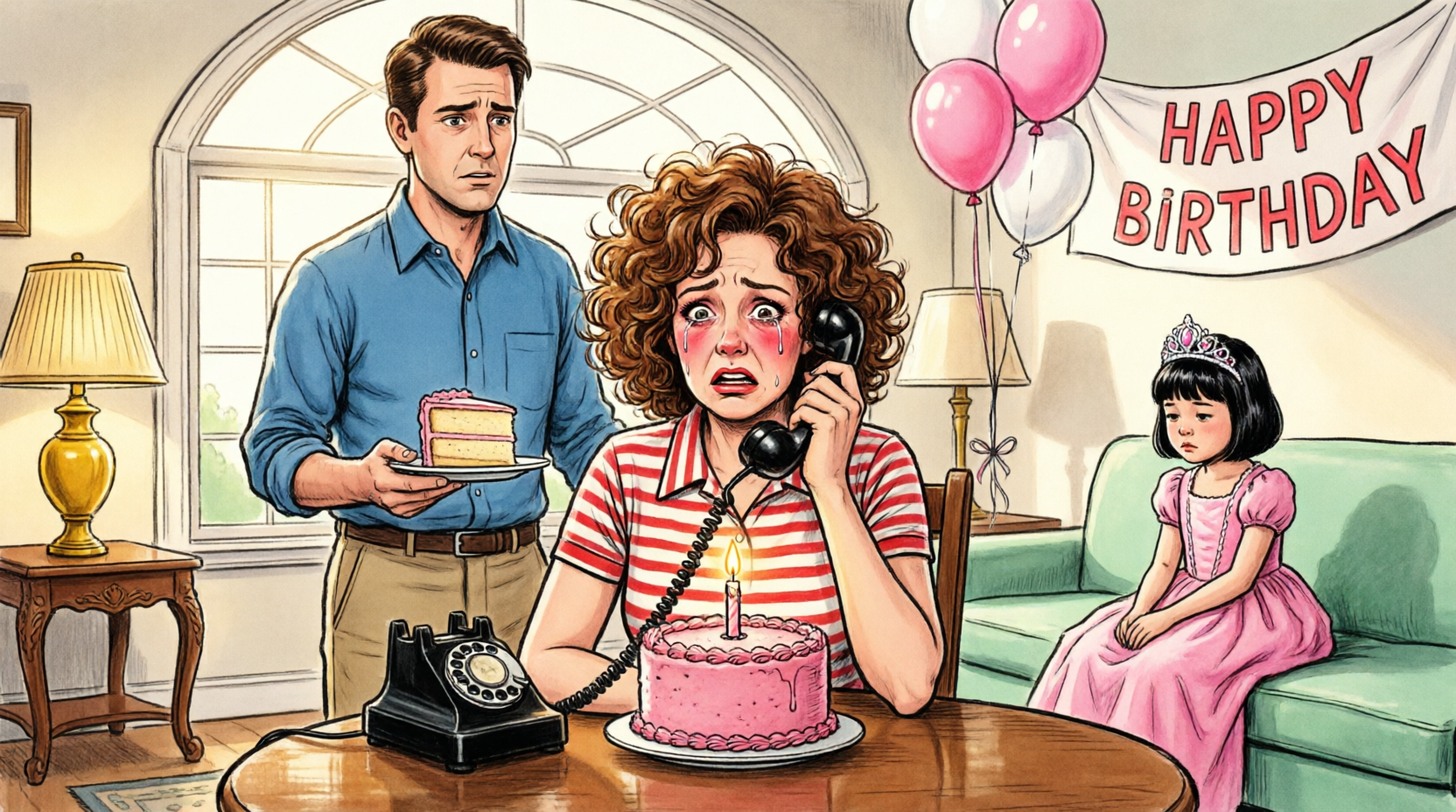
“Happy Birthday, Lily,” I said to the phone, though he wasn’t the one celebrating.
“What?”
“Nothing,” I said. “I’ll be there tomorrow.”
I hung up.
Marcus touched my shoulder. “You okay?”
“I will be,” I said.
I went to join Lily. She grabbed my hand and pulled me into the sprinkler. The water was cold. I shrieked. She laughed.
“Again!” she yelled.
We ran again. I got soaked. My hair plastered to my head. My shoes squished.
For the first time in my life, I didn’t care about the mess. I didn’t care about the impression. I didn’t care about the cost.
The hospital visit was quiet. Mom looked smaller in the bed. Her leg was elevated. Dad sat in the chair beside her, looking at his hands.
They didn’t mention the money. They didn’t mention the transfer. They talked about the weather. About the nurse. About the food.
It was civil. It was distant. It was a relationship reset to factory settings.
When I left, I didn’t promise to come back next week. I didn’t promise to call. I just said, “Feel better.”
Driving home, I felt a strange sensation in my chest. It wasn’t guilt. It wasn’t anger. It was grief. I was grieving the parents I wanted. The ones who would have come to the birthday party. The ones who would have cheered for Lily without calculating the cost.
They didn’t exist. Accepting that was the final step.
Two years later.
We moved. Not far, just to a different complex with better security and a playground that didn’t have broken glass.
The rent was higher. But we could afford it. Because I wasn’t sending $550 a week. Because Marcus got a raise. Because we stopped bleeding money into a void.
I ran into Danny at the grocery store. He looked tired. He was buying generic brand cereal. He saw me and hesitated.
“Hey,” he said.
“Hey.”
“Mom’s doing okay,” he said. “Walking with a cane now.”
“That’s good,” I said.
“We… we sold the house,” he said. “Downsizing.”
“Okay.”
“I get it now,” he said, looking at the cart. I had fresh fruit. Milk. Real cheese. “About the money. About… everything.”
“Do you?”
“Yeah. I got into some debt. Trying to keep up the image. The establishment.” He laughed, a dry, humorless sound. “Turns out establishment is just a word people use when they’re scared.”
“We all are,” I said.
He nodded. He didn’t ask for help. He didn’t ask for a loan. He just checked out and left.
I watched him go. I didn’t feel superior. I felt sad for him. He was still trapped in the hierarchy. I had climbed out.
Three years later.
Lily is nine. She’s in fourth grade. She plays soccer. She hates math. She loves to draw.
We were sitting at the kitchen table doing homework. The Friday transfer notification used to ping at 9 AM. Now, at 9 AM on Fridays, I get a notification from her college fund. Deposit Successful.
It’s a different sound. A happier sound.
Marcus came in from the garage. He put a envelope on the table.
“What’s this?” I asked.
“Tax return,” he said. “We’re getting a refund.”
“We never get refunds,” I said.
“We do now,” he said. “Because we claimed everything. Because we didn’t give half of it away.”
He kissed the top of my head. “Proud of you,” he said.
It wasn’t about the money. Not really. It was about the message. The message I sent that day when I hovered over the send button.
We don’t count your family the same way.
He was right. We don’t.
My family is the people who show up. The people who eat the dry turkey. The people who run through the sprinklers. The people who protect the peace instead of selling it.
My parents are still alive. We talk on holidays. Sometimes. They send cards for Lily’s birthday. They never come. They never ask to visit. They know the terms.
I think they respect me more now than they ever did when I was paying them. Because I proved I could walk away. And power only respects power.
Last week, I found the old phone. The one I used before I changed my number. It was in a box in the closet, buried under winter scarves.
I charged it. It turned on. There were hundreds of voicemails from three years ago. From the week I cut them off.
I listened to one. It was Mom.
Sarah, please. We’re sorry. We didn’t mean it. Call us back.
Her voice sounded desperate. Scared.
I deleted it.
I didn’t need to hear the apology anymore. I had lived the consequence. That was worth more than words.
I put the phone back in the box. I put the box back in the closet.
I walked out to the living room. Lily was on the floor, building a tower out of blocks. It was tall. Unsteady.
“Don’t let it fall,” I said.
“I won’t,” she said. “I built the base strong.”
She looked at me. “Like you taught me.”
“Yeah,” I said. “Like I taught you.”
I sat down beside her. I handed her a blue block.
“Where does this go?” I asked.
“Here,” she said. “On the top.”
She placed it gently. The tower held.
We sat there in the quiet apartment. The rent was paid. The lights were on. The fridge was full.
And for the first time in my life, I wasn’t waiting for the other shoe to drop. I wasn’t waiting for the phone to ring. I wasn’t waiting for permission to be happy.
I was just here.
The lifeline was severed. But I hadn’t fallen. I had learned to fly.
And the view from up here… it was beautiful.
THE END.