When my dad and stepmother arrived at my residence, they boldly declared, “This house and everything in it belongs to us now.” Leave. When they saw the documents, their expressions altered. I simply grinned, went into my room, and returned with them.
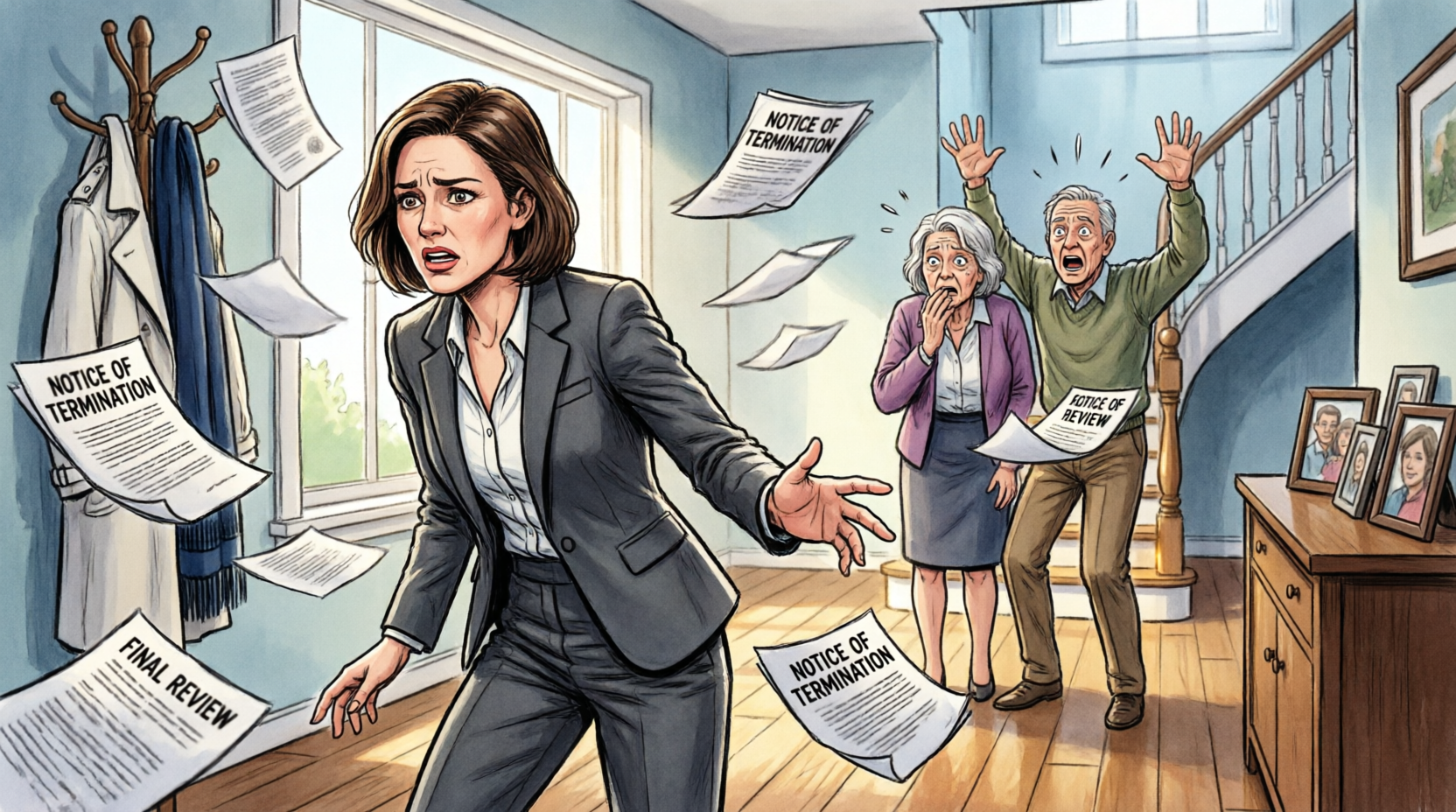
My dad and stepmother didn’t knock the way people do when they care about who’s on the other side of the door. They knocked like strangers—loud, entitled, already convinced the space belonged to them.
When I opened it, they stood there as if they were arriving to inspect something they had just purchased. My father didn’t even look at me first—he looked past me, into the house. My stepmother’s lips curled into a faint smile, the kind that never reaches the eyes.
“This place,” my father said flatly, holding up a stack of papers, “and everything inside it… belongs to us now. You need to leave.”
For a second, I forgot how to breathe.
Not because I believed him—but because of how easily he said it. Like I wasn’t his child. Like I was just… in the way.
I stepped aside, not inviting them in, but too stunned to stop them. They walked through my home—my home—as if I were invisible. Diane ran her fingers along the furniture, glancing at corners, shelves, walls… measuring, judging, claiming.
“Nice,” she murmured. “Cleaner than I expected.”
Cleaner than I expected.
As if I had spent my life trying to prove I was worth basic respect—and still failed.
I closed the door slowly behind them. “Why are you here?” My voice didn’t sound like mine.
My father finally looked at me then, but there was no warmth in his eyes. Just impatience.
“We’re making this simple,” he said. “You pack your things. You leave. No need to drag this out.”
No hesitation. No explanation. No kindness. Just… removal.
I searched his face for something—anything familiar. Some trace of the man who once held my hand when I was small. But there was nothing there. Just someone who had already decided I didn’t matter.
“What are you talking about?” I asked, quieter now.
Diane stepped closer, her voice smooth, rehearsed. “Your grandmother intended this house to stay in your father’s family. Mistakes happen. We’re just correcting one.”
Mistakes.
That’s what I was to them. A mistake that needed correcting.
But I knew the truth. I knew every late night I spent handling paperwork after my grandmother passed. Every repair I paid for. Every bill, every tax, every responsibility I carried alone.
I remembered sitting in this same house, crying after the funeral, holding her letter in my hands because it was the last thing she left me that still felt like love.
And now they were standing here, trying to erase all of it.
“Dad,” I said, my voice trembling despite me trying to hold it steady, “you weren’t there for her. You don’t get to rewrite her life just because she’s gone.”
His jaw tightened. Diane laughed softly, like this was all just entertainment.
“Careful,” she said. “You don’t want to make this worse.”
Worse.
It was always worse with them. Growing up, “worse” meant silence at dinner. It meant cold shoulders, slammed doors, days of pretending I didn’t exist. It meant learning, very early, that love from them always came with conditions.
And now, even here… even in the one place I thought was finally mine… they were still trying to take something.
My father handed me the papers.
They looked official at first glance. Clean. Organized. Intentional. But there was something hollow about them—like lies dressed up in formal language.
“You can hand over the keys,” Diane said, folding her arms, “or we’ll take this to court.”
Court.
They were really doing this.
I stared at the pages, then at them… and something inside me didn’t break.
It just… went quiet.
I smiled.
Not because I was happy. But because, for the first time, I realized something painful and freeing all at once:
They had never come here as family.
They came as people who thought they could take.
So I turned and walked to my room.
Behind me, Diane’s voice followed, sharp and mocking. “Go ahead. Start packing.”
I didn’t answer.
I opened the drawer where I had kept everything—the documents my lawyer told me to protect, the proof of every truth they were trying to twist. My hands shook as I picked up the folder, not from fear… but from the weight of what this moment meant.
Because no matter what happened next… there was no going back after this.
When I returned, they were still standing there, waiting, expecting surrender.
I dropped the folder onto the table.
The sound echoed louder than it should have.
My father reached for the first page—and I watched it happen.
The moment his confidence cracked.
The color drained from his face, slowly, like something inside him had been exposed to light.
He tried to recover. “You think this scares me?”
I swallowed. “No,” I said quietly. “But the truth might.”
And as I explained—about the fraud investigation, the documented attempts, the evidence they didn’t know I had—I saw something I had never seen before.
Not anger.
Not control.
Fear.
For the first time in my life… they didn’t know what to say.
I picked up my phone.
“You calling the police?” he asked, forcing confidence that wasn’t there anymore.
“If I have to.”
Diane’s voice sharpened. “You’d really do that to your own family?”
I looked at her, and for a second… I almost laughed.
Family?
“You already did,” I said.
That was it.
Something broke between us then—not loudly, not dramatically—but in a quiet, irreversible way.
They started talking over each other. Excuses. Backtracking. Blame. Words that meant nothing because they came too late.
Then my father said it.
“Everything here came from family anyway.”
That hurt more than anything else.
Because he still didn’t understand.
It wasn’t about the house.
It was about what it represented… the one place I wasn’t unwanted.
I placed my grandmother’s will on the table. Then her letter.
Diane read it slowly.
“She knew,” she whispered.
I nodded. “She did.”
She knew who would show up only when something could be taken.
She knew who would stay.
And she chose me.
Not because I was perfect.
But because I was there.
I showed them the final document—the one that made everything real. The consequences. The legal weight. The truth they couldn’t talk their way out of.
Diane stepped back first.
My father didn’t speak.
“Leave,” I said.
My voice was steady—but inside, something was unraveling. Not fear. Not anger.
Grief.
Grief for a father I never really had.
Grief for the idea that, maybe one day, things would be different.
Diane straightened her posture. “You’re making a mistake.”
People always say that when they realize they’ve lost control.
My father lingered, looking at me like he was searching for something to hold onto.
“After everything I’ve done for you…”
The words landed, but they were empty.
I opened the door wider.
“You tried to take my home.”
“I didn’t do anything wrong.”
“Then you won’t mind explaining that,” I said softly, “to people who decide what wrong actually is.”
And just like that… he didn’t have anything left.
They walked out.
No apology.
No hesitation.
Just silence.
When the door closed, the house felt too big. Too quiet.
I stood there for a long time before my legs gave out and I sank onto the floor.
I didn’t cry right away.
I just sat there… staring at the door… realizing something that hurt more than anything they had said.
They hadn’t come to fight me.
They came expecting me to give up.
Because I always had before.
But not this time.
When the tears finally came, they were quiet. Not dramatic. Just… steady. The kind that come from letting go of something you’ve held onto for too long.
Weeks passed.
Phone calls came—people telling me to forgive, to “be the bigger person,” to fix something I didn’t break.
But eventually, the noise faded.
They stopped calling.
They disappeared.
And in the end… there was no apology.
Just absence.
And somehow, that hurt less than their presence ever did.
The house is still mine.
The walls still hold memories—but now, they feel different.
Quieter.
Safer.
Lonelier… but honest.
Because sometimes the hardest truth isn’t what people try to take from you—
It’s realizing they were willing to take it at all.
And sometimes, the strongest thing you can do…
is stop hoping they’ll love you the way you deserved—
and finally choose to protect yourself instead.