PART 19 — “The Morning After”
The next morning felt strangely quiet.
Not peaceful.
After destruction, silence often feels exhausted instead.
David sat at Margaret’s kitchen table wearing one of Frank’s old sweaters because his clothes were still damp from the rain.
The sweater hung awkwardly on him now.
He looked older somehow.
Not physically.
Emotionally.
Margaret stood at the stove making coffee while pale morning sunlight stretched across the floorboards.
Neither of them spoke for a long time.
Words become careful after emotional collapse.
Finally David whispered:
“I left Clara.”
Margaret’s hands paused slightly against the coffee pot.
Not shock.
Sadness.
Because despite everything,
divorce still sounds like grief to mothers.
“Did she try to stop you?”
David laughed once.
Broken sound.
“She tried to explain it.”
A pause.
“She kept calling it temporary.”
Another.
“She said she was protecting our lifestyle.”
Lifestyle.
Interesting word.
People often rename selfishness once enough money surrounds it.
Margaret carried two coffee mugs to the table slowly.
David noticed immediately:
one mug had been chipped for years.
He remembered breaking it accidentally at sixteen.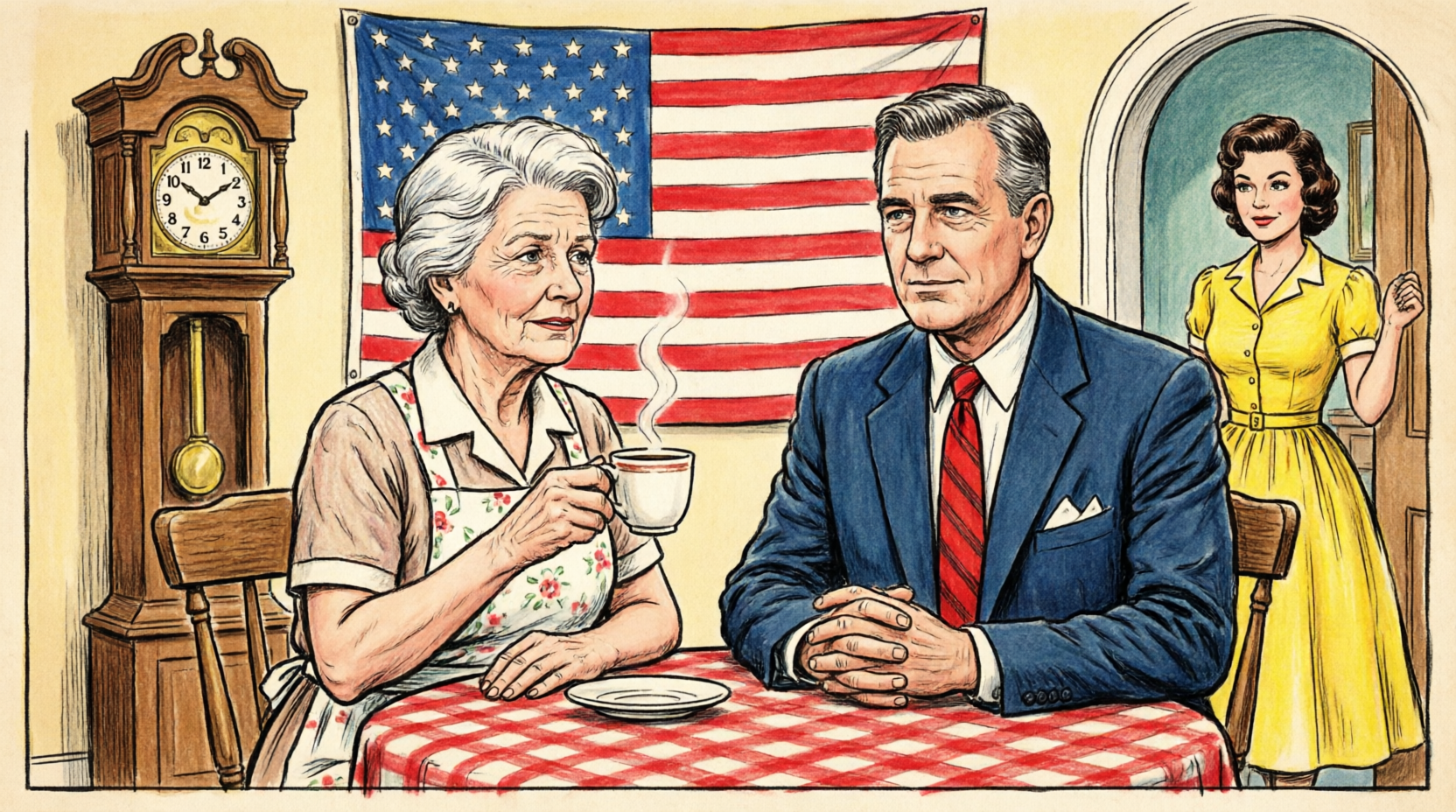
Margaret kept using it anyway.
Suddenly that hurt too.
Everything hurt now.
“She said I made her feel unsafe last night,” he murmured.
Margaret sat quietly across from him.
“And how did that make you feel?”
David stared into the coffee.
“Confused.”
A weak breath escaped him.
“She stole from you… and somehow I still felt guilty for upsetting her.”
Margaret nodded softly.
“That’s what emotional manipulation does.”
A pause.
“It teaches good people to feel cruel for noticing cruelty.”
David looked up sharply.
Because suddenly:
his confusion had a name.
That mattered.
For months he believed:
he was protecting peace
he was being reasonable
he was preventing family conflict
Now he understood:
he had been trained to distrust pain if acknowledging it threatened Clara emotionally.
And that realization devastated him.
“I keep replaying every conversation,” he whispered.
“The pantry bag.”
Another breath.
“The heater.”
Another.
“The ring.”
His voice broke completely on the last word.
Margaret reached across the table gently covering his hand with hers.
“It’s over now.”
David shook his head immediately.
“No.”
His eyes filled again.
“You lived through all of that alone.”
Not alone, Margaret almost said.
Women survive quietly beside invisible company:
memory,
routine,
pride,
God.
But she understood what he really meant.
He should have been there.
The guilt was eating him alive.
Good.
Not because suffering was deserved.
Because guilt was proof his humanity survived.
David swallowed hard.
“How did you keep loving me?”
Margaret almost smiled sadly.
“Oh sweetheart.”
A pause.
“You were never the person trying to hurt me.”
The sentence landed harder than blame ever could have.
Because now:
David realized his mother separated blindness from cruelty.
And somehow that mercy hurt even more.
He lowered his eyes toward the notebook resting nearby on the table.
“I don’t know who I was these last few months.”
Margaret looked at him carefully.
“You were a husband who trusted his wife.”
A pause.
“That’s not shameful.”
Then softly:
“Refusing to see the truth after discovering it would’ve been shameful.”
David closed his eyes briefly.
Because she was giving him a path back to himself.
That was another thing good mothers do:
they leave emotional doors unlocked even after being hurt.
Then suddenly,
David frowned slightly.
“What happens now?”
Margaret looked toward the folder of documents near the window.
“Now?”
A pause.
“Clara returns what she stole.”
“And if she doesn’t?”
Margaret’s voice stayed calm.
“Then the law becomes part of the conversation.”
David inhaled slowly.
Law.
Police.
Court.
Public exposure.
Reality was becoming real now.
And for the first time,
he looked frightened of what came next.
Not for himself.
For the life collapsing behind him.
Margaret saw it immediately.
“David.”
He looked up.
“You are allowed to grieve the marriage you thought you had.”
That sentence nearly broke him all over again.
Because yes—
Clara betrayed Margaret.
But Clara also destroyed David’s understanding of his own home,
his own love,
his own judgment.
Manipulation creates multiple victims.
And now everyone was bleeding differently.
PART 20 — “Clara Comes Back”
Clara returned three days later.
Not for David.
For control.
Margaret knew it immediately the moment the black Lexus rolled into the driveway just after noon.
Women like Clara never return emotionally first.
They return strategically.
Margaret was trimming dead lavender stems beside the porch when Clara stepped out of the car wearing dark sunglasses and a cream wool coat.
Beautiful.
Composed.
Dangerous again.
Interesting.
Fear had apparently reorganized itself back into elegance.
“Margaret,” Clara said calmly.
Not Mother anymore.
Good.
Masks were falling permanently now.
Margaret kept trimming lavender quietly.
“What do you want?”
Clara removed the sunglasses slowly.
Her eyes looked tired beneath perfect makeup.
“I need to speak with David.”
“He isn’t here.”
A tiny flicker crossed Clara’s face.
Disappointment.
Not grief.
Not love.
Loss of access.
Margaret noticed everything now.
“I tried calling him,” Clara continued carefully.
“He won’t answer.”
Margaret set the gardening scissors down beside the flower pot.
“That seems wise.”
Clara inhaled slowly.
Then came the performance.
Not crying this time.
Fragility.
“Margaret… this situation has become completely out of control.”
Interesting phrasing.
Not:
I hurt people.
Instead:
consequences became inconvenient.
Margaret looked toward the driveway calmly.
“You stole forty thousand dollars.”
“It wasn’t like that.”
“How was it?”
Clara hesitated.
Tiny hesitation.
Then:
“I intended to pay it back.”
There it was.
The sentence manipulators love most.
Temporary harm.
Future correction.
Delayed morality.
As though planned repayment erases present suffering.
Margaret studied her quietly.
“My wedding ring?”
That landed.
Clara looked away immediately.
Good.
Even now,
that detail still poisoned the entire situation emotionally.
“I didn’t know about the ring,” Clara said softly.
“No.”
Margaret nodded once.
“You just knew I was struggling.”
Silence.
The wind moved gently through the lavender between them.
Finally Clara whispered:
“You think David will ever forgive me?”
Interesting.
Not:
Can you forgive me?
David still remained the emotional center of Clara’s fear.
Margaret answered honestly.
“I don’t know.”
And for the first time since arriving,
Clara looked genuinely shaken.
Because manipulators survive through predictability.
But guilt changes people unpredictably.
Especially good men.
“He won’t even speak to me,” Clara whispered.
Margaret watched her carefully.
Then quietly asked the question that mattered most:
“Do you miss David?”
A pause.
“Or do you miss the life around him?”
Clara’s face hardened instantly.
There.
Truth touched something real.
“You think I never loved him?”
Margaret stayed silent.
Because honestly?
She no longer knew.
And that uncertainty felt tragic in its own way.
Clara laughed bitterly.
“You know what the worst part is?”
Her voice cracked slightly.
“Everyone suddenly acts like I’m some monster.”
Margaret stared at her.
“Aren’t you?”
The question hung coldly between them.
Clara’s eyes filled immediately.
Real tears this time.
Interesting.
Maybe even selfish people bleed once consequences arrive fully.
“I was drowning,” she whispered.
“The business debt… the pressure… David constantly traveling…”
Another breath.
“I just needed time.”
Margaret listened quietly.
Then asked softly:
“So why didn’t you ask us for help?”
Clara opened her mouth.
Stopped.
Because there was no answer that didn’t expose pride.
Or entitlement.
Or greed.
Exactly.
Margaret nodded slowly.
“That’s what I thought.”
Clara looked smaller suddenly.
Still elegant.
Still polished.
But smaller.
Because once manipulation fails,
people must finally stand beside their choices without emotional camouflage.
And many look shockingly fragile there.
Then headlights appeared down the road.
David’s truck.
Clara froze instantly.
Fear.
Real fear now.
David stepped out slowly when he saw Clara standing beside the porch.
The air changed immediately.
Not hatred.
Worse.
Disappointment.
Deep disappointment from someone who once loved you completely.
Readers would ache here.
Because Clara finally understood:
David no longer looked at her with emotional safety.
He looked at her with caution.
“David,” she whispered.
He stopped several feet away.
No hug.
No warmth.
Nothing.
Just distance.
Clara’s voice broke.
“Please talk to me.”
David looked exhausted.
“I listened to you for eight months.”
The sentence hit like a door locking shut.
Clara physically flinched.
Good.
Then David noticed the gardening scissors beside Margaret.
And beside them—
the lavender.
Freshly trimmed.
Carefully maintained.
His mother still nurturing living things after everything.
Meanwhile Clara consumed people while calling it survival.
That contrast hurt him visibly.
“Did you ever once think about her?” he asked quietly.
“The actual human being?”
Clara cried harder immediately.
“I thought I could fix it before anyone knew.”
David shook his head slowly.
“That’s the problem.”
A pause.
“You knew.”
PART 21 — “The Lawyer”
The lawyer’s office smelled like leather, coffee, and expensive silence.
David sat beside Margaret at the long conference table while Attorney Bennett reviewed the documents one page at a time beneath bright office lights.
Across from them,
Clara looked perfectly dressed and completely exhausted.
Interesting combination.
People often polish themselves harder when their inner life starts collapsing.
Attorney Bennett adjusted his glasses slowly.
“So let me understand this clearly.”
He looked toward Clara.
“You opened a supplemental account using Mrs. Hayes’ identity and redirected monthly transfers into your consulting business.”
Clara folded her hands tightly together.
“It was temporary.”
Bennett didn’t react.
Good lawyers don’t emotionally respond to excuses.
They translate them into liability.
“And Mrs. Hayes did not authorize these transactions?”
Clara hesitated.
Too long.
David noticed immediately now.
Every hesitation.
Every dodge.
Every emotional calculation.
“No,” Clara admitted quietly.
There it was.
Official now.
Not confusion.
Not stress.
Not family disagreement.
Fraud.
David looked physically ill hearing the word become real inside a legal room.
Bennett continued reviewing the receipts carefully.
Then stopped on one page.
His expression changed slightly.
“Spa charges?”
Clara’s face tightened.
David shut his eyes immediately.
Because somehow,
those receipts still hurt more than the account itself.
Luxury purchased beside hidden suffering.
That contrast poisoned everything emotionally.
Margaret sat quietly with both hands folded in her lap.
Calm.
That frightened Clara more than anger ever could have.
“You understand,” Bennett continued,
“that these transactions create both civil and criminal exposure.”
Criminal.
The word settled heavily across the room.
For the first time,
Clara looked genuinely afraid.
Not socially embarrassed.
Afraid.
David noticed that too.
And readers would FEEL the tragedy here:
the woman he once trusted most now looked like someone he didn’t fully know.
“I’ll repay everything,” Clara whispered quickly.
Bennett nodded professionally.
“That would certainly help.”
A pause.
“But repayment does not erase fraudulent conduct.”
David finally spoke.
Quietly.
“When were you planning to stop?”
The question cut deeper than legal language.
Because it wasn’t about money anymore.
It was about intention.
Clara looked toward him desperately.
“I didn’t mean for it to become this big.”
David stared at her.
Eight months.
Forty thousand dollars.
A wedding ring sold.
Big didn’t happen suddenly.
It accumulated.
One selfish decision at a time.
Margaret watched her son carefully now.
Because underneath the anger,
she could still see grief tearing through him.
Good men mourn betrayal differently.
Part of them keeps searching for the person they thought existed.
Bennett closed the folder gently.
“My recommendation,” he said calmly,
“is immediate repayment, formal written admission, and negotiated settlement before litigation proceeds.”
Litigation.
Settlement.
The marriage now sounded like paperwork.
That hurt David visibly.
Clara turned toward him suddenly.
“David, please.”
Tears filled her eyes again.
“You know me.”
And there it was.
The final emotional plea.
Not:
I’m innocent.
Instead:
remember the version of me you loved.
David looked at her for a very long time.
Then quietly answered:
“That’s the problem.”
A pause.
“I don’t know if I ever did.”
The sentence shattered the room.
Because honestly?
That was the real tragedy of the entire story.
Not stolen money.
Not legal consequences.
The terrifying realization that you can share your life with someone for years…
…and still not fully know what they’re capable of becoming.
PART 22 — “The Church Basement”
The story spread quietly before it spread publicly.
That’s how small towns work.
Not through newspapers.
Through pauses in conversations.
Through lowered voices in grocery stores.
Through church women pretending not to gossip while already knowing everything.
Margaret felt it the moment she entered St. Mary’s the following Sunday.
People looked at her differently.
Not pity exactly.
Recognition.
Reverend Cole approached gently after service while volunteers folded chairs in the basement.
“You holding up alright?”
Margaret smiled softly.
“As well as anyone can.”
He nodded slowly.
Then:
“David came by yesterday.”
That surprised her.
“He did?”
Reverend Cole leaned against the folding table quietly.
“He asked how long you’d been using the pantry.”
Margaret’s chest tightened immediately.
“Oh.”
The Reverend hesitated.
“I told him the truth.”
Of course he did.
And suddenly Margaret understood:
David was reconstructing reality now piece by piece.
Every hidden humiliation.
Every overlooked detail.
Good.
Painful.
Necessary.
Good.
“He cried,” Reverend Cole admitted softly.
That hurt more than she expected.
Because mothers never fully stop wanting to protect their children from suffering—
even when the suffering is deserved.
“What exactly did you tell him?” she asked quietly.
Reverend Cole looked saddened.
“I told him you always volunteered extra hours before taking food home.”
A pause.
“And that you asked us not to mention it because you didn’t want him worrying.”
Margaret closed her eyes briefly.
Oh David.
The guilt must be unbearable now.
Reverend Cole studied her carefully.
“You still defending him?”
She almost smiled.
“He’s still my son.”
The Reverend nodded slowly like he expected that answer.
Then his expression shifted slightly.
“There’s something else.”
A pause.
“Mrs. Patterson told him about the ring.”
Margaret physically went still.
Of course she did.
David asked.
People tell truths once someone finally looks ready to hear them.
“What did she say?”
“That you sold it the week the heater broke.”
Another pause.
“She said you cried in the pawn shop parking lot afterward.”
Margaret looked away immediately.
Interesting.
She hadn’t realized anyone saw her there.
The Reverend lowered his voice.
“He looked sick hearing it.”
Good sons should.
Not from punishment.
From love arriving too late.
That evening,
David sat alone in Margaret’s living room while she prepared tea in the kitchen.
He had started coming by almost every day now.
Not forcing conversation.
Not trying to repair things too quickly.
Just…
showing up.
That mattered.
The old David would have filled silence with solutions.
This David sat quietly inside consequences.
Growth often looks quieter than people expect.
Margaret carried tea into the room slowly.
David noticed immediately:
the church pantry bread on the counter.
Again.
Except this time—
he didn’t look away.
His eyes stayed on it painfully.
“I talked to Reverend Cole.”
Margaret nodded once.
“I figured.”
David stared down at his hands.
“He said you volunteered before taking food.”
His voice weakened.
“So nobody would feel sorry for you.”
Margaret sat beside him gently.
“Pride survives strange things.”
David swallowed hard.
“And Mrs. Patterson told me about the pawn shop.”
There it was.
The full wound finally opened.
Margaret looked down at her bare hand quietly.
David’s breathing became uneven again.
“I bought Clara a bracelet that same week.”
Oh God.
That was the kind of detail that destroys people emotionally.
Because guilt sharpens through contrast.
While his mother sold her marriage to survive—
he rewarded the thief with jewelry.
“I didn’t know,” he whispered.
Margaret reached over and covered his hand softly.
“I know.”
“No.”
His eyes filled again.
“You don’t understand.”
A pause.
“I thought I was being a good husband.”
And there it was.
The true emotional center of the story.
David’s blindness didn’t come from cruelty.
It came from a sincere desire to love correctly.
That’s why readers hurt for him now instead of hating him.
Margaret squeezed his hand gently.
“You loved someone who lied to you.”
A pause.
“That shame belongs to her first.”
David lowered his head.
Then quietly confessed the thing haunting him most:
“The worst part is…”
His voice cracked.
“…every time you tried telling me the truth, I thought Clara was the one who needed protection.”
Silence settled heavily around them.
The heater hummed softly nearby.
David stared at it for a long moment.
Then whispered:
“That sound is going to haunt me for the rest of my life.”
PART 23 — “The Hearing”
The courtroom felt colder than churches do.
Not physically.
Emotionally.
Everything inside it sounded controlled:
polished shoes against tile
quiet paper shuffling
restrained voices
consequences arriving professionally
Margaret sat beside Attorney Bennett wearing her navy church dress and the pearl earrings Frank once bought her at a county fair thirty years ago.
Simple earrings.
Real love rarely looks expensive.
Across the aisle,
Clara sat beside her own attorney looking immaculate in gray silk.
Interesting.
Some people dress for court like they’re still trying to win admiration instead of forgiveness.
David sat alone behind them both.
That mattered.
No longer beside Clara.
Not fully beside Margaret either.
Just:
alone inside what he finally understood.
The clerk called the case softly.
Legal language filled the room.
Fraudulent transfers.
Unauthorized account access.
Financial exploitation.
Ugly truths sound even uglier once institutions formalize them.
Clara kept her posture perfect through all of it.
But David noticed something Margaret missed:
her hands trembled whenever the transfer records appeared on screen.
Fear.
Real fear finally entering the body.
Attorney Bennett stood calmly.
“Your Honor, this is not merely a financial disagreement between family members.”
He gestured toward the evidence binder.
“This is a sustained pattern of deception against an elderly widow who trusted the defendant completely.”
Elderly widow.
David physically flinched hearing his mother reduced to vulnerability in public language.
Because suddenly he understood:
the world saw Margaret as someone needing protection.
And he had failed at that protection himself.
Clara’s attorney immediately responded.
“Mrs. Hayes was never denied support.”
A pause.
“My client intended repayment and believed the funds were being used within family discretion.”
Family discretion.
Margaret almost smiled sadly.
Interesting how theft becomes softer once wealthy people rename it carefully.
Then came the moment David dreaded most.
The notebook.
Attorney Bennett approached carefully holding the brown leather journal.
“Mrs. Hayes documented the financial and emotional impact of these events contemporaneously.”
Contemporaneously.
Such a cold word for heartbreak written in kitchens at midnight.
Bennett opened to one page.
Then read aloud:
“Cut blood pressure pills in half today.
Refill must wait until next Thursday.”
The courtroom went silent.
Not dramatic silence.
Human silence.
The kind people make once suffering suddenly becomes real.
David lowered his head immediately.
Good.
Readers would ache for him here because:
this was no longer private guilt.
Now strangers knew he failed to notice too.
Bennett turned another page.
“Sold wedding ring today.”
Clara shut her eyes briefly.
First visible crack.
The judge looked up sharply.
“Mrs. Hayes sold personal property for basic living expenses?”
Margaret answered quietly.
“Yes, Your Honor.”
The judge’s expression hardened instantly.
Good.
Even institutions respond once suffering becomes specific.
Not forty thousand dollars.
A wedding ring.
That detail humanized everything.
Clara’s attorney shifted uncomfortably.
David stared at the notebook like it might physically destroy him.
And honestly?
Maybe it already had.
Then Bennett presented the receipts:
spa charges
designer shoes
luxury skincare
All connected to Margaret’s redirected funds.
The contrast poisoned the room emotionally.
Because everyone understood now:
this wasn’t desperation alone.
It was comfort purchased beside hidden suffering.
Finally,
the judge looked directly at Clara.
“Mrs. Hayes…”
A pause.
“Did you understand your mother-in-law was struggling financially during this period?”
The room held its breath.
Clara hesitated.
Tiny hesitation.
Fatal hesitation.
“Yes.”
David closed his eyes immediately.
Because that was it.
Not accounting confusion.
Not temporary borrowing.
Awareness.
Knowing.
The judge’s voice became colder.
“And you continued redirecting funds anyway?”
Clara’s composure finally cracked.
“I thought I could fix it before it became serious.”
There it was again.
The same sentence selfish people always use:
I thought there was still time before consequences mattered.
But suffering already mattered.
That’s the thing people like Clara never understand early enough.
The hearing continued another hour.
Legal arguments.
Settlement negotiations.
Restitution terms.
But emotionally?
The case ended the moment Clara admitted she knew Margaret was struggling.
Because after that—
every transfer looked cruel instead of careless.
When court adjourned,
people slowly began standing.
Papers folded.
Chairs moved.
Quiet conversations resumed.
David remained seated.
Still staring downward.
Margaret touched his shoulder gently.
“Sweetheart.”
He looked up slowly.
And readers would feel it instantly:
he looked like a man carrying grief instead of anger now.
That’s heavier.
“I used to think evil looked obvious,” he whispered.
A broken breath escaped him.
“But it looked like my own kitchen.”
PART 24 — “The House Felt Different”
After the hearing,
David stopped sleeping at the house.
Not immediately.
At first he told himself it was temporary.
Just until legal matters settled.
Just until emotions cooled down.
But deep down,
he already knew the truth:
the house no longer felt safe emotionally.
Every room carried echoes now.
The kitchen island where Clara cried while manipulating him.
The dining room where Margaret sat silently being doubted.
The hallway where he kissed his wife goodnight after defending her lies.
Memory changes architecture once truth arrives.
That was the terrifying part.
One evening,
David stood alone in the master bedroom while Clara packed clothes into expensive suitcases quietly across the room.
No screaming.
No dramatic fight.
Just distance.
Honestly?
That felt sadder.
“You don’t have to leave,” Clara said finally without looking at him.
David almost laughed at the sentence.
Because emotionally,
she had already left months ago.
Maybe years ago.
“I think you know I do.”
Clara zipped the suitcase sharply.
“So that’s it?”
She looked up finally.
“Twenty years together and suddenly I’m a monster?”
David stared at her silently.
Monster.
Interesting word.
Because the hardest part still wasn’t believing Clara was evil.
It was accepting she became comfortable ignoring suffering.
And maybe that distinction mattered.
“I don’t think you started as a monster,” he answered quietly.
That landed harder than anger would have.
Clara’s eyes filled instantly.
“Then why are you looking at me like that?”
David looked away toward the bedroom window.
Rain moved softly down the glass again.
Always rain during endings.
“Because I don’t recognize the person who watched my mother struggle and kept taking money anyway.”
The room went still.
Clara’s voice cracked slightly.
“You think this is easy for me?”
David closed his eyes briefly.
There it was again.
Her pain still stood at the center of every conversation.
Even now.
“I think everything became easier for you once you stopped seeing other people clearly.”
The sentence hurt her.
Good.
Not revenge.
Truth.
Clara sat slowly on the edge of the bed.
Smaller somehow.
Without performance,
without parties,
without polished smiles—
she suddenly looked like a frightened woman who made terrible decisions and kept making them too long.
And honestly?
That was sad too.
Manipulators are often emotionally starving people who learned control feels safer than vulnerability.
But understanding damage doesn’t erase damage.
“I loved you,” Clara whispered.
David’s face tightened painfully.
“I think you loved what life felt like beside me.”
Silence.
Because both of them feared he might be right.
After a long time,
Clara quietly asked:
“Did you ever love me?”
That question nearly destroyed him.
Because yes.
Completely.
That was the tragedy.
David sat down slowly across from her.
“I loved you enough to stop seeing things clearly.”
Clara cried then.
Real crying.
Not strategic.
Interesting.
Maybe consequences finally stripped performance away.
Or maybe losing emotional safety hurts everyone eventually.
David watched her for a long moment.
Then softly said the sentence readers would remember:
“My mother was starving quietly while I was thanking you for feeding her.”
Clara lowered her head completely after that.
No defense left now.
Only consequences.
Later that night,
after Clara drove away with the last suitcase,
David walked slowly through the empty house alone.
The silence sounded enormous.
No music.
No television.
No perfume drifting through rooms.
Just absence.
He entered the kitchen automatically.
Then froze.
The fruit bowl sat perfectly arranged in the center island exactly the way Clara always kept it.
Beautiful.
Untouched.
Decorative.
And suddenly David realized something devastating:
the house had always looked full.
Even while love inside it slowly emptied.
PART 25 — “The Check”
The restitution check arrived on a Thursday morning.
Certified mail.
Heavy envelope.
Official stamp.
Neat legal lettering.
Margaret held it quietly at the kitchen table while sunlight warmed the old wood beneath her hands.
Forty thousand dollars.
Returned.
Interesting how money can come back while trust never fully does.
David sat across from her drinking coffee silently.
He looked different these days:
quieter
slower
less polished
Pain had stripped something artificial out of him.
Good.
Not because suffering is beautiful.
Because humility often arrives through heartbreak.
“You should cash it today,” he said softly.
Margaret nodded once.
Neither of them reached for celebration.
That mattered.
Because this story stopped being about money a long time ago.
David stared toward the check again.
“I still can’t believe she signed it.”
Margaret folded the envelope carefully.
“She signed because Attorney Bennett explained prison very clearly.”
David winced.
Even now,
he hated hearing consequences spoken aloud.
Not because Clara didn’t deserve them.
Because once upon a time,
he loved her enough to imagine growing old beside her.
People grieve broken illusions almost like deaths.
Margaret noticed his expression immediately.
“You miss her.”
Not accusation.
Observation.
David looked embarrassed for a moment.
Then finally:
“Yes.”
Good.
Readers would love this answer emotionally.
Because it proves David isn’t shallow.
Or cruel.
Or emotionally convenient.
He’s grieving honestly.
“I hate that part,” he admitted quietly.
“After everything she did… part of me still misses talking to her.”
Margaret reached for her coffee slowly.
“Love doesn’t disappear the same day trust does.”
The sentence settled softly between them.
David looked down at his hands.
“I keep wondering how long she’d have continued if we never found out.”
Margaret answered honestly.
“Probably until something forced her to stop.”
David shut his eyes briefly.
That still hurt him.
The idea that suffering only ended because exposure interrupted it.
Not compassion.
Not guilt.
Exposure.
Then suddenly,
David frowned.
“Mom…”
“Yes?”
“Why didn’t you hate me?”
There it was again.
The question haunting him constantly now.
Margaret almost smiled sadly.
“Because hate would’ve required believing you wanted me hurt.”
David’s eyes filled immediately.
“But I still hurt you.”
“Yes.”
A pause.
“But there’s a difference between cruelty and blindness.”
David looked away quickly.
Because somehow forgiveness was harder to survive than anger.
Anger creates defense.
Mercy creates reflection.
After a long silence,
Margaret stood and carried the check toward the kitchen drawer.
David watched her carefully.
“What are you doing?”
“Putting it away.”
“You’re not excited?”
Margaret looked toward him gently.
“Sweetheart… I already paid the real cost before the money came back.”
The ring.
The loneliness.
The doubt.
The feeling of becoming invisible to her own child.
Forty thousand dollars could never fully reimburse that.
David understood immediately.
His face tightened with fresh guilt again.
Good.
Not punishment.
Memory.
People should remember what blindness costs.
Then the doorbell rang.
Margaret opened it to find Mrs. Patterson standing outside carrying a lemon cake wrapped in foil.
“Oh!”
She smiled warmly seeing David inside.
“Well look who finally remembered where his mother lives.”
David laughed weakly.
“I deserve that.”
“Yes,” Mrs. Patterson nodded.
“You absolutely do.”
Margaret almost smiled.
That was another thing about small towns:
forgiveness arrives slower than gossip.
Mrs. Patterson stepped inside and noticed the certified envelope immediately.
“Everything settled?”
Margaret nodded softly.
“The money came back.”
Mrs. Patterson’s expression darkened.
“Hmph.”
Then quietly:
“Didn’t bring your ring back though, did it?”
The room went silent instantly.
David lowered his eyes.
Mrs. Patterson realized immediately.
“Oh Lord.”
She touched his shoulder gently.
“I’m sorry, sweetheart.”
David swallowed hard.
“No.”
His voice weakened.
“You should say it.”
Because he needed people to stop protecting him from the truth now.
That mattered too.
Mrs. Patterson looked toward Margaret carefully.
Then finally asked softly:
“Will you buy another ring?”
Margaret looked down at her bare hand for a long moment.
Then shook her head.
“No.”
A faint sad smile touched her lips.
“Some things aren’t replaceable.”
David physically looked away after that.
Because suddenly he understood:
the worst losses in life are not always financial.
Sometimes the deepest losses are moments you failed to see while they were disappearing.
PART 26 — “The Volunteer Sheet”
David started volunteering at St. Mary’s two weeks later.
Not because Margaret asked him to.
Because guilt kept searching for somewhere useful to go.
The first morning he arrived,
the church basement smelled like canned vegetables, coffee, and cardboard boxes.
The exact same smell Margaret lived with quietly for months while he remained blind to it.
That hurt immediately.
Reverend Cole handed him a volunteer clipboard without ceremony.
“Storage shelves need organizing.”
No emotional speech.
No judgment.
Just work.
Good.
David needed work more than comfort.
He rolled up his sleeves and spent the next three hours lifting boxes beside retirees and exhausted single mothers who thanked him politely without recognizing him.
And honestly?
That mattered.
For the first time in years,
nobody cared:
how successful he was
what car he drove
who his wife used to be
They only cared whether he carried boxes carefully without dropping soup cans.
Humbling.
Healthy.
At one point,
an elderly man beside him struggled lifting a crate of bottled water.
David immediately stepped forward.
“I got it.”
The man smiled gratefully.
“Appreciate you, son.”
Simple words.
But something inside David cracked painfully anyway.
Because his mother spent months needing help exactly this small—
and he missed all of it.
Later that afternoon,
David sat alone at one of the folding tables organizing canned food labels when Mrs. Patterson approached carrying inventory sheets.
She studied him quietly.
“You look thinner.”
David laughed weakly.
“Apparently suffering burns calories.”
“Hm.”
She sat beside him slowly.
“Good.”
David blinked.
“You think I deserve suffering?”
Mrs. Patterson adjusted her glasses carefully.
“No.”
A pause.
“I think you needed honesty.”
The sentence landed gently.
Still painful.
David stared down at the volunteer forms.
“I keep replaying everything.”
A breath.
“The heater.”
Another.
“The pantry food.”
His voice weakened.
“The ring.”
Mrs. Patterson softened slightly.
“That’s because you loved her.”
David looked confused.
“My mother?”
“Yes.”
A pause.
“And because good sons punish themselves once they realize they stopped paying attention.”
The room went quiet around them.
Somewhere nearby,
children laughed upstairs after Sunday school.
Ordinary life continuing.
David rubbed one hand across his face tiredly.
“I don’t know how to forgive myself.”
Mrs. Patterson watched him carefully.
Then quietly answered:
“You don’t start with forgiveness.”
A pause.
“You start with showing up correctly next time.”
That sentence stayed with him all afternoon.
That evening,
Margaret found David repairing the loose porch railing without being asked.
Sunset light stretched gold across the yard while tools rested beside his boots.
“You didn’t have to do that,” she said softly.
David tightened the final bolt carefully.
“Yes I did.”
Margaret leaned gently against the porch post watching him.
He looked more like Frank these days.
Not physically.
In the way grief had humbled him into attentiveness.
David stepped down from the ladder slowly.
“I used to think being a good son meant providing things.”
Margaret stayed quiet.
“I never realized noticing things mattered more.”
Oh.
That was growth.
Real growth.
Not guilt speeches.
Not dramatic apologies.
Awareness.
Margaret’s chest tightened painfully with love.
Because despite everything—
the boy she raised was still inside him.
He just got lost for a while.
David glanced toward her bare left hand again.
Readers would notice:
he still does that constantly.
Because some guilt never fully leaves.
“I found myself looking at women’s rings in the grocery store today,” he admitted quietly.
“Like somehow I could fix it if I found one similar enough.”
Margaret smiled sadly.
“You can’t replace your father.”
David laughed once.
Broken sound.
“I know.”
Silence settled softly between them while evening cicadas hummed nearby.
Then David quietly asked:
“Do you think people can become good again after failing someone they love?”
Margaret looked at him for a long moment.
Then answered with the most important truth in the story:
“Sweetheart…”
A pause.
“Good people are not people who never fail.”
Another pause.
“They’re people who finally choose to see clearly after they do.”
PART 27 — “The Grocery Store”
The first time David saw Clara after the hearing was in a grocery store.
Of all places.
Not court.
Not lawyers’ offices.
Not some dramatic rainstorm.
A grocery store.
Ordinary places become unbearable once relationships die inside them.
David stood frozen beside the produce section holding a basket with:
soup cans
tea
fresh bread
Margaret’s favorite peaches
He bought groceries for her every Thursday now.
Not because she asked.
Because once you finally notice someone’s needs,
you can’t unknow them again.
Then he heard Clara’s voice.
“David?”
His stomach tightened instantly.
She stood near the flower section wearing a dark coat and no makeup for once.
Interesting.
Without perfection,
she suddenly looked tired.
Human.
Smaller.
And honestly?
That hurt too.
Because broken love rarely turns people into villains in real life.
Usually it turns them into strangers carrying mutual grief.
“Hi,” David answered quietly.
Awkward silence followed.
Clara glanced at the groceries in his basket.
Then noticed:
discount soup
pantry brands
generic medication
Recognition flickered across her face immediately.
Good.
Now she saw what Margaret’s life actually looked like.
Not abstractly.
Tangibly.
“You shop for her now,” Clara whispered.
David nodded once.
“I should’ve been doing it sooner.”
The sentence landed softly.
Still devastating.
Clara looked away first.
A florist employee passed between them pushing roses toward the front display.
David stared at the flowers automatically.
Mother’s Day.
Oh God.
His chest tightened painfully again.
He remembered:
the roses
the pantry bag hidden beneath the counter
Clara smiling first
himself choosing comfort over observation
The memory physically hurt now.
“David…”
He looked up slowly.
Clara’s eyes were red.
Real crying recently.
Not strategic.
Interesting.
Maybe consequences finally stripped performance out of both of them.
“I know you hate me,” she whispered.
David answered honestly.
“No.”
A pause.
“I hate what happened.”
That was true.
And somehow sadder.
Because hate would have been emotionally simpler.
Clara swallowed hard.
“I did love you.”
David closed his eyes briefly.
The terrible thing?
Part of him still believed her.
Manipulative people can still feel real attachment.
That’s what makes them dangerous emotionally.
“But you loved comfort more,” he answered quietly.
Clara flinched.
Good.
Truth should land now.
“I was scared all the time,” she admitted suddenly.
“The business debt kept growing.”
Another breath.
“I thought if I could stabilize things first, nobody would get hurt.”
David stared at her.
“My mother sold her wedding ring.”
Clara’s eyes filled instantly again.
“I know.”
“No.”
His voice weakened.
“You know NOW.”
A pause.
“You knew struggle.”
Another.
“But you didn’t let yourself feel her suffering.”
The sentence hollowed the air between them.
Because that was the real accusation.
Not theft.
Emotional detachment.
Clara looked down at the floor tiles silently.
Then whispered:
“I don’t think I realized who I was becoming.”
David almost laughed sadly.
“Neither did I.”
That was the tragedy.
Not just Clara’s transformation.
His own blindness beside it.
A little girl ran past them laughing toward the candy aisle while her mother called after her affectionately.
Ordinary life again.
Always continuing.
Clara looked toward David one last time.
“Do you think people deserve second chances?”
Dangerous question.
Because both of them needed different answers.
David thought about:
Margaret volunteering quietly before taking pantry food
the empty ring box
the notebook
Mrs. Patterson saying honesty mattered more than comfort
Then finally answered carefully:
“I think second chances start after people stop protecting themselves from the truth.”
Clara cried silently after that.
No performance left now.
Just grief.
David adjusted the grocery basket in his arms.
Then softly said goodbye.
Not cruelly.
Not lovingly.
Just…
like someone burying a life he once believed would last forever.
As he walked away,
he passed the flower section again.
Roses.
Cream-colored.
Exactly like Mother’s Day.
This time,
he bought them for Margaret instead.
PART 28 — “The Roses”
Margaret was trimming pie crust when David arrived carrying cream-colored roses.
The exact same roses from Mother’s Day.
For one brief second,
the sight of them hurt both of them at once.
David noticed immediately.
Good.
Now he noticed emotional things too.
“I almost didn’t buy them,” he admitted quietly as he stepped inside.
Margaret took the flowers gently.
“They’re beautiful.”
But her voice carried memory now.
Not innocence.
David looked away toward the kitchen counter.
The church pantry bread sat there beside fresh peaches and canned soup he brought earlier that morning.
Two versions of love.
One too late.
One quietly surviving.
“I remember that day constantly,” he whispered.
Margaret placed the roses carefully into water.
“Mother’s Day?”
David nodded.
“The pantry bag.”
A pause.
“The way Clara answered before you could.”
Another.
“And how relieved I felt when her explanation sounded easier.”
There it was.
The real confession.
Not:
I believed her.
Worse.
I wanted the easier version.
Margaret stayed silent.
Because some truths grow better without interruption.
David leaned against the kitchen counter heavily.
“I think part of me knew something was wrong.”
His voice weakened.
“But if I admitted it…”
He stopped.
“…everything would’ve changed.”
Margaret looked toward him softly.
“Yes.”
That simple answer almost broke him again.
Because now:
he understood the exact moment morality becomes dangerous.
The moment truth threatens comfort.
“I failed some kind of test,” he whispered.
Margaret shook her head slowly.
“No.”
A pause.
“You encountered one.”
David frowned slightly.
“What’s the difference?”
Margaret adjusted the roses carefully inside the vase.
“A failed test ends.”
She looked toward him gently.
“A moral test keeps asking who you become afterward.”
The sentence settled deeply inside him.
Readers would LOVE this moment because:
Margaret never speaks like a victim seeking revenge.
She speaks like someone who understands people.
That emotional wisdom makes her unforgettable.
David looked around the kitchen quietly.
The room felt warmer now:
repaired heater humming softly
groceries filling the refrigerator
sunlight touching old photographs
Healing looked ordinary.
That mattered.
Then his eyes landed on the brown leather notebook resting near the window.
Still there.
Still painful.
“I can’t stop thinking about all the entries I never knew existed.”
Margaret smiled sadly.
“That notebook wasn’t written to punish you.”
“I know.”
His eyes lowered.
“That almost makes it worse.”
Because if Margaret had screamed,
attacked,
or manipulated—
David could defend himself emotionally.
But she only documented reality quietly.
And quiet truth is devastating once finally seen.
David stepped closer toward the counter slowly.
Then carefully asked:
“Do you think Dad would be ashamed of me?”
Oh.
There it was.
The deepest wound.
Not Clara.
Not money.
His father.
Margaret’s eyes softened instantly.
“Frank loved you more than anything.”
“That’s not what I asked.”
“No.”
A pause.
“But it’s the answer first.”
David looked down silently.
Margaret walked toward him slowly.
Then touched his face gently the same way she used to after childhood nightmares.
“Your father would be heartbroken that you suffered like this.”
A pause.
“But ashamed?”
She shook her head softly.
“No.”
Another pause.
“He raised a man capable of admitting he was wrong.”
David’s eyes filled immediately.
Because honestly?
That kind of mercy feels unbearable once earned.
Then Margaret smiled faintly and handed him the vase.
“Put those on the table for me.”
David took the roses carefully.
And as he arranged them beside the sunlight—
he finally understood something simple and devastating:
love is not proven by how confidently you trust someone.
It’s proven by how bravely you face the truth once trust breaks.
PART 29 — “The Volunteer Board”
By spring,
people at St. Mary’s stopped introducing David as Margaret’s son.
Now they introduced him as:
“The man who always stays late to clean.”
Interesting how redemption begins.
Not through speeches.
Not through apologies.
Through repetition.
Every Thursday evening,
David organized pantry shelves after everyone else left.
Soup labels forward.
Bread rotated by expiration date.
Heavy boxes stacked carefully for elderly volunteers.
Small acts.
But small acts repaired things big words never could.
Margaret watched quietly from the basement doorway one evening while David helped Mrs. Patterson carry canned vegetables toward storage.
“You’re doing that wrong,” she complained.
David laughed softly.
“You tell me that every week.”
“And every week you still lift with your back instead of your knees.”
Readers would smile here.
Because this—
this was healing.
Not dramatic healing.
Community healing.
Ordinary healing.
Reverend Cole approached Margaret beside the doorway.
“He’s different.”
Margaret nodded gently.
“Yes.”
The Reverend studied David for a moment.
“He listens now.”
That sentence hit her harder than expected.
Because it was true.
Blindness had once made David emotionally impatient.
Now pain had slowed him into attentiveness.
Good.
Some people become softer after guilt.
Others become defensive.
David chose softness.
That mattered enormously.
Across the room,
a volunteer accidentally dropped a box of canned peaches.
Metal clattered loudly across the basement floor.
Immediately,
David crouched beside the embarrassed young woman.
“It’s okay.”
He smiled gently.
“Nothing broke.”
Margaret felt tears sting unexpectedly behind her eyes.
Because once upon a time,
that exact kindness belonged naturally to him.
Then adulthood,
success,
and comfort slowly buried it beneath distraction.
But not permanently.
Good people can lose clarity without losing themselves completely.
That was the entire heart of the story.
Later that evening,
David drove Margaret home beneath golden sunset light.
The windows were down slightly.
Warm air carried the smell of cut grass through the truck.
Peaceful.
For the first time in months,
peace didn’t feel fake.
David parked in the driveway but didn’t turn off the engine immediately.
“Can I ask you something?”
Margaret smiled faintly.
“You always do.”
He looked toward the steering wheel quietly.
“Do you think Clara was always like this?”
Important question.
Not:
Was she evil?
Instead:
When did she change?
Margaret considered carefully before answering.
“No.”
A pause.
“I think people become dangerous slowly when comfort matters more than honesty.”
David nodded silently.
Because deep down,
that frightened him too.
Not only Clara’s transformation.
His own vulnerability to blindness.
“I keep wondering how close I came to becoming someone I wouldn’t recognize.”
Margaret looked toward him gently.
“You already recognized it.”
A pause.
“That’s why you changed direction.”
The sentence comforted him slightly.
But not completely.
Good.
Some guilt should remain.
Not as punishment.
As memory.
David leaned back against the seat quietly.
“Sometimes I think about how easy it was for me to believe her.”
A weak breath escaped him.
“She sounded reasonable.”
Another.
“And you sounded hurt.”
Margaret nodded slowly.
“That’s why manipulative people are dangerous.”
A pause.
“They teach others to distrust pain because pain makes life inconvenient.”
David looked out toward the darkening road.
Then softly admitted:
“The worst part?”
A pause.
“I thought I was being mature by staying neutral.”
Oh.
That line mattered.
Because readers would recognize it instantly.
So many people mistake:
avoidance for wisdom
neutrality for fairness
emotional comfort for peace
Margaret touched his arm gently.
“Neutrality helps the strongest person in the room.”
A pause.
“And back then, Clara controlled the room emotionally.”
David swallowed hard.
Then finally whispered:
“I’ll regret that for the rest of my life.”
Margaret smiled sadly.
“Good.”
He blinked.
“Good?”
“Yes.”
A pause.
“Because regret means your conscience survived.”
The truck fell quiet afterward while evening settled softly around them.
Then David finally turned off the engine.
And before getting out,
he looked toward his mother and quietly said the sentence that proved redemption had fully begun:
“I don’t want to be the kind of man who only notices suffering after it becomes visible.”
PART 30 — “The First Time He Noticed”
Summer arrived quietly that year.
Not dramatic heat.
Just longer evenings,
open windows,
and cicadas humming through the neighborhood after dark.
Margaret sat on the porch shelling peas into a bowl while David repaired the loose screen door nearby.
Small sounds filled the evening:
peas tapping ceramic
screwdriver turning slowly
distant lawnmower
church bells far away
Ordinary life.
The kind people almost destroy while chasing comfort too aggressively.
David tightened one last screw.
Then paused.
“Mom.”
Margaret looked up.
“The porch light’s flickering.”
She smiled softly.
“Yes.”
“I’ll replace it tomorrow.”
And suddenly—
unexpectedly—
Margaret felt tears burn behind her eyes.
Not because of the lightbulb.
Because he noticed.
That was the entire difference now.
Before,
David loved loudly but observed poorly.
Now he observed quietly.
That kind of love lasts longer.
David frowned immediately seeing her expression.
“Did I say something wrong?”
Margaret shook her head gently.
“No, sweetheart.”
A pause.
“You just finally started seeing things before they break completely.”
The sentence hit him hard.
Good.
Not painful enough to wound.
Just enough to remind.
David sat beside her slowly on the porch steps.
For a while,
they shelled peas together in comfortable silence.
Then he quietly admitted:
“I think I spent years assuming love meant people would tell me when they were hurting.”
Margaret nodded slowly.
“A lot of people believe that.”
“But you didn’t.”
“No.”
A pause.
“I thought being a burden would hurt you.”
That sentence hollowed him instantly.
Because now:
he understood the terrible emotional cycle completely.
Margaret stayed silent to protect David.
David stayed blind to protect peace.
And Clara survived inside the silence between them.
God.
David rubbed both hands over his face tiredly.
“I still don’t understand how I missed so much.”
Margaret looked toward the sunset quietly.
“Because suffering often becomes invisible when it happens gradually.”
The cicadas hummed louder in the warm evening air.
David thought about:
the pantry food
the heater
the medication
the ring
Not one catastrophe.
Just accumulated neglect.
That realization frightened him deeply.
Because honestly?
Most emotional disasters begin quietly.
Then Margaret reached for another pea pod and asked softly:
“Do you know what finally changed you?”
David looked over.
“The notebook?”
“No.”
She smiled sadly.
“You started paying attention after truth became emotionally expensive.”
Oh.
That landed.
Because yes—
before,
truth threatened comfort.
Now:
avoiding truth threatened his identity.
And that mattered more.
David leaned back against the porch railing quietly.
“Do you think I deserved forgiveness?”
Margaret almost laughed softly.
“Sweetheart, forgiveness isn’t earned like salary.”
“Then why forgive me?”
She looked toward him gently.
“Because I wanted my son back more than I wanted punishment.”
The sentence completely silenced him.
Readers would cry here.
Because Margaret’s love never disappeared.
It only suffered quietly.
David stared out toward the darkening road while emotion moved heavily across his face.
Then finally whispered:
“I used to think strength meant protecting my marriage at all costs.”
Margaret waited.
“Now I think strength means being willing to lose comforting lies.”
The porch fell quiet after that.
And honestly?
That sentence proved the real climax of the story had already happened.
Not in court.
Not during the confrontation.
But here:
a son finally learning the difference between loyalty and blindness.
PART 31 — “The Empty Chair”
The divorce finalized quietly in September.
No dramatic courtroom battle.
No screaming.
No public collapse.
Just signatures.
Interesting how entire lives can end through paperwork completed on a Tuesday afternoon.
David didn’t tell Margaret immediately.
Instead,
he sat alone in his truck outside the courthouse for nearly an hour staring at the final documents resting on the passenger seat.
Legally finished.
Emotionally?
Not even close.
Because grief doesn’t care when judges approve things.
Eventually he drove to Margaret’s house carrying a paper bag of takeout barbecue from her favorite restaurant.
Comfort food.
People return to childhood flavors when life hurts deeply enough.
Margaret opened the door smiling softly.
“You brought brisket.”
“You sound surprised.”
“You only buy brisket when something’s wrong.”
David laughed weakly.
Caught immediately.
That used to embarrass him as a teenager.
Now it comforted him.
They ate together quietly at the kitchen table while evening rain tapped softly against the windows again.
Always rain around endings.
Finally,
David folded his napkin carefully.
“It’s official.”
Margaret looked up gently.
“The divorce?”
He nodded once.
No relief entered the room.
Only sadness.
Because despite everything,
a marriage still died today.
Margaret reached across the table and touched his hand softly.
“How do you feel?”
David stared down at the untouched cornbread beside his plate.
“Like someone dismantled a house while I was still living inside it.”
Oh.
That sentence hurt.
Because readers would understand exactly what he meant:
not sudden destruction.
Gradual realization that the place you trusted was unstable long before collapse.
Margaret stayed quiet.
David exhaled slowly.
“I thought I’d feel angry.”
A pause.
“But mostly I just feel tired.”
That was honest.
Real heartbreak exhausts people more than it inflames them.
Then David looked toward the empty chair across from him automatically.
The chair Clara used to sit in during Sunday dinners.
Funny how absence becomes visible once somebody stops occupying familiar space.
Margaret noticed his eyes immediately.
“You miss having someone there.”
Not Clara specifically.
Presence.
Routine.
Shared life.
David nodded slowly.
“I keep reaching for conversations that don’t exist anymore.”
The loneliness in his voice nearly broke her heart.
Because this—
this was the hidden cost of awakening.
Truth saves people.
But it also removes illusions they once depended on emotionally.
David rubbed his forehead tiredly.
“I don’t even know which memories were real anymore.”
Margaret answered carefully.
“The moments were real.”
A pause.
“The trust inside them wasn’t.”
Silence settled heavily after that.
Then David whispered:
“Do you think Clara loved me at all?”
Dangerous question.
Margaret chose honesty.
“Yes.”
A pause.
“But not responsibly.”
David’s eyes filled instantly.
Because somehow that answer hurt more than hatred would have.
Love without responsibility.
Love without protection.
Love without honesty.
What kind of love survives like that?
Not healthy love.
But maybe still human love in a damaged form.
Margaret stood slowly and carried plates toward the sink.
David watched her quietly.
Then suddenly:
“Mom?”
“Yes?”
“I think part of why I ignored everything…”
He stopped.
Then forced himself to continue.
“…was because I was proud of being needed.”
Margaret turned slowly.
Oh.
There it was.
The deeper truth underneath all of it.
Clara constantly positioned David as:
provider
protector
hero
solution
And people become dangerously blind around identities that make them feel important.
“I liked believing I was holding everything together,” he admitted softly.
“So every time you sounded hurt…”
His voice weakened.
“…it felt easier to think you were mistaken than admit I was failing.”
The honesty in that sentence changed something important.
Because now:
David wasn’t only grieving Clara.
He was confronting himself.
That’s real redemption.
Margaret dried her hands carefully.
Then walked back toward the table.
“Sweetheart…”
A pause.
“The most dangerous lies are the ones that protect the version of ourselves we most want to believe.”
David lowered his eyes immediately.
Because yes.
That was exactly what happened.
For a long moment,
neither of them spoke.
Then finally,
David looked toward the empty chair again and quietly said:
“I don’t think I’m mourning Clara anymore.”
A pause.
“I think I’m mourning the man I thought I was beside her.”
PART 32 — “The Boy In The Photograph”
A week after the divorce finalized,
David found the old photo box in Margaret’s attic.
Dust covered the lid.
The cardboard smelled faintly like cedar and old paper.
He sat cross-legged beneath the attic light flipping slowly through decades of family photographs while rain tapped softly against the roof overhead.
Always rain around memory.
There he was at:
age six holding a carved pumpkin
twelve wearing braces and baseball socks
seventeen beside his first truck
twenty-two hugging Margaret at college graduation
And in every single photograph—
his mother looked at him the same way.
Like loving him was the easiest thing she ever learned.
David swallowed hard.
Because now:
every image felt heavier after discovering how completely she protected him even while suffering.
Then he found the photograph.
The one.
Mother’s Day.
Three years ago.
Margaret smiling beside the kitchen table holding cream-colored roses.
The exact same roses.
David stared at the picture for a very long time.
Then suddenly noticed something he never saw before:
Margaret’s smile looked tired even then.
Not unhappy.
Just…
carrying more than she admitted.
God.
How long had she been disappearing quietly while everyone called her “strong”?
The attic suddenly felt difficult to breathe inside.
David leaned back against an old trunk and closed his eyes tightly.
Then he remembered another moment.
Age ten.
Margaret working double shifts sewing uniforms after Frank injured his back.
David once asked:
“Why don’t you ever ask people for help?”
And Margaret answered:
“Because I want you to grow up believing home is stable.”
Oh God.
The realization hit him all at once:
his mother spent her entire life protecting his sense of safety.
And when Clara threatened that safety emotionally—
David protected the illusion instead of the person who built it.
He covered his eyes with one hand.
The guilt still arrived in waves sometimes.
Not destroying him now.
But humbling him constantly.
Good.
That was healthier.
Then footsteps creaked softly on the attic stairs.
Margaret appeared carrying lemonade.
“I thought you disappeared.”
David laughed weakly.
“I kinda did.”
She looked toward the photo box and smiled softly.
“Found the memories, huh?”
David nodded.
Then quietly held up the Mother’s Day photograph.
“You already looked tired here.”
Margaret studied the picture carefully.
“Maybe I was.”
“Why didn’t I see it?”
There it was again.
That question still haunted him.
Margaret climbed the last stair slowly and sat beside him on the attic floor.
“Because you trusted happiness more than observation.”
The sentence landed gently.
Still true.
David stared at the photograph again.
“I thought being a good son meant believing the people I loved.”
Margaret sipped her lemonade quietly.
“A good son believes.”
A pause.
“A wise son also notices.”
That hurt.
Good.
Not to punish.
To teach.
David looked around the attic:
old Christmas decorations
Frank’s fishing poles
dusty boxes labeled DAVID SCHOOL
forgotten family history stacked carefully into corners
Lives leave evidence everywhere once people slow down enough to look.
Then suddenly David laughed softly.
Margaret blinked.
“What?”
“I just realized something.”
“What?”
He smiled sadly down at the photo.
“You spent my whole childhood teaching me to pay attention.”
Margaret’s expression softened immediately.
Because yes.
She did.
Notice:
loose floorboards
storms coming
lonely people
tired eyes
empty refrigerators
unspoken pain
David learned those lessons once.
Then adulthood,
success,
comfort,
and routine slowly dulled them.
Until suffering finally sharpened them again.
He looked toward his mother quietly.
“I think I understand the real tragedy now.”
Margaret waited.
David swallowed hard.
“It wasn’t that Clara fooled me.”
A pause.
“It’s that I stopped being observant enough to protect the people who mattered.”
Silence filled the attic softly after that.
Then Margaret reached over and squeezed his hand.
And for the first time since the entire nightmare began—
David no longer looked like a man drowning in guilt.
He looked like a man learning from it……………….