PART 11
The judge was not dramatic.
She did not scold Brent for television.
She reviewed the evidence.
The lilies.
The card.
The voicemail from Diane.
The messages from Allison.
The restaurant footage.
The witness statements.
Then she looked at Brent.
“You were given a lawful order.”
Brent’s lawyer stood.
“Your Honor, my client denies sending the flowers.”
The judge glanced down at the file.
“The florist receipt was paid with a card linked to Mr. Callahan’s business account.”
Brent’s face tightened.
His lawyer sat down.
The judge continued.
“This court is not interested in symbolic intimidation disguised as romance.”
Emily’s breath caught.
The judge looked at her.
“Ms. Whitaker, you were right to report this.”
Those seven words nearly broke her.
She pressed her fingers to her mouth.
For so long, Brent had told her she was dramatic.
Diane had told her she was selfish.
The world had told her marriage was private.
And now, in a courtroom where every word mattered, someone with authority said she had been right.
Brent’s probation terms were modified.
The protective order was strengthened.
Diane was warned directly against third-party harassment.
Brent was ordered to surrender all firearms registered in his name.
He was ordered to have no contact through gifts, relatives, messages, mutual friends, or anonymous deliveries.
Then the judge looked at Diane.
“And Mrs. Callahan, let me be clear.”
Diane straightened.
The judge’s voice cooled.
“Encouraging abuse is not family loyalty.”
Diane’s red mouth opened.
Nothing came out.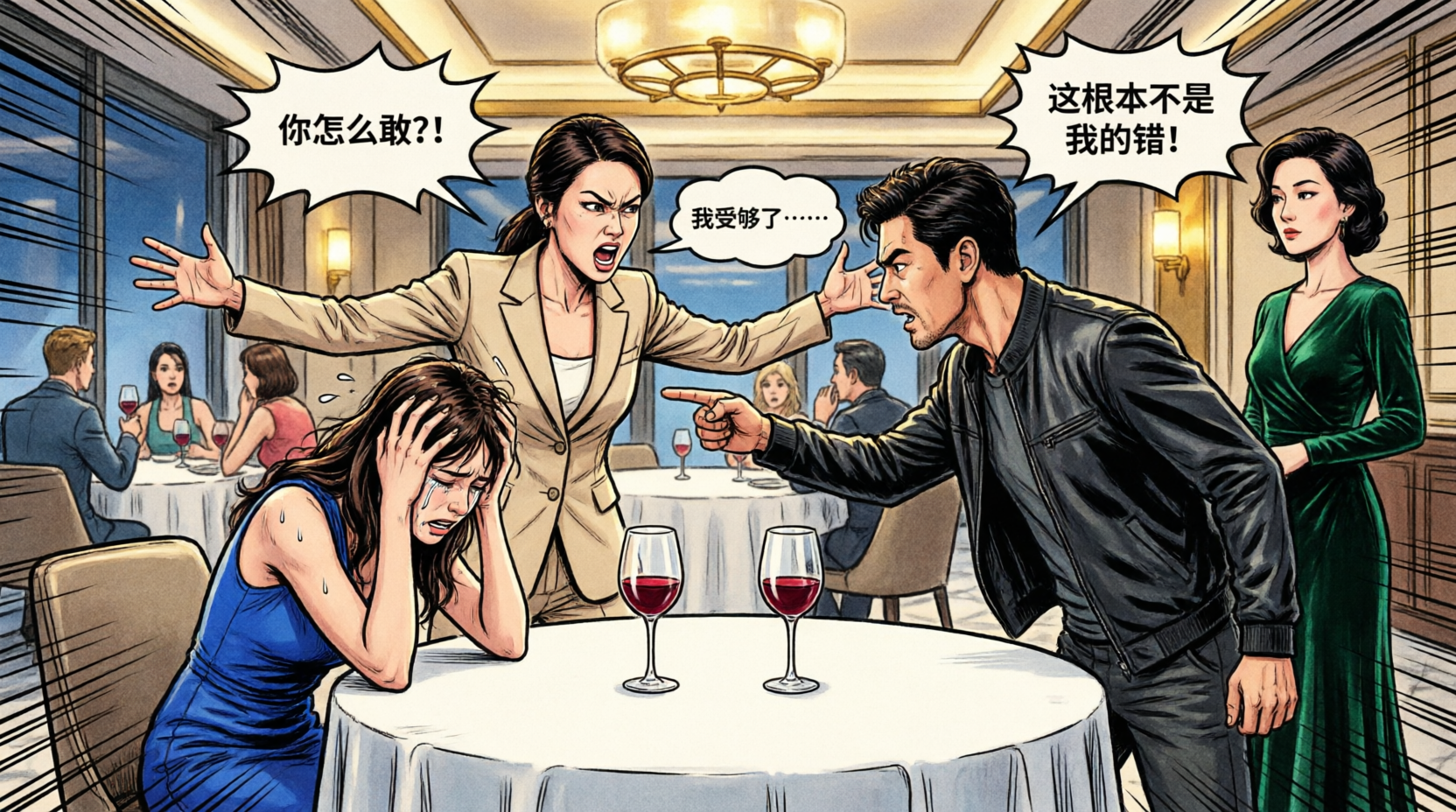
PART 12
After court, Allison collapsed in the parking garage.
Not physically.
Emotionally.
She made it to the concrete pillar beside my car, then bent forward with both hands on her knees.
“I thought she was going to destroy me,” she whispered.
Emily stood beside her.
“Diane?”
Allison nodded.
“She used to say no one leaves a Callahan family problem without becoming one.”
I unlocked the car but did not open the door.
Allison wiped her face.
“I’m sorry.”
Emily’s voice was quiet.
“You already said that.”
“I know.”
Allison looked ashamed.
“I don’t know how many times it takes.”
Emily studied her.
Then she said, “More than once.”
Allison nodded.
“That’s fair.”
Emily stepped closer.
“But not forever.”
Allison cried then.
Emily hugged her.
I looked away, giving them privacy.
But I could not stop the ache in my chest.
Pain had made them strangers.
Truth was making them something else.
Not friends yet.
Maybe never sisters.
But survivors recognize each other in ways other people cannot.
PART 13
Emily moved into her own apartment in June.
It was on the third floor of a brick building with uneven stairs and a stubborn kitchen window.
The living room was small.
The bedroom was smaller.
The shower made a whining sound whenever the hot water started.
But the lock worked.
The lease had only her name on it.
And when she turned the key for the first time, she cried.
Not because she was sad.
Because the silence belonged to her.
We painted the kitchen pale yellow.
Allison helped assemble a bookshelf.
Nora dropped off a housewarming plant.
Officer Morales sent a text that said, Proud of you.
The manager from Marigold & Ash mailed a handwritten note with a gift card.
The woman by the window, the older man with the fork, and the waiter all sent statements again when Nora needed updated paperwork.
Strangers became witnesses.
Witnesses became a wall.
Brent had always told Emily no one would believe her.
He had been wrong.
But more importantly, Emily had started believing herself.
PART 14
The final divorce hearing came in September.
By then, Emily had cut her hair.
Not because Brent had pulled it.
Not because she wanted to erase what happened.
Because she wanted to choose a shape for herself.
It fell just below her chin now, soft and strong.
She wore a navy dress.
Her father’s watch was on her wrist.
Before we entered the courthouse, she touched the watch face.
“I wish Dad could see me.”
I took her hand.
“He does not need to see you to be proud of you.”
She smiled sadly.
Inside, Brent avoided looking at her.
Diane did not come.
That surprised me until Nora explained quietly that Diane had been advised to stay away after the judge’s warning.
“Even Diane can recognize a losing room,” Nora said.
The divorce itself was almost calm.
Property divided.
Accounts separated.
Name restored.
Emily Whitaker again.
No Callahan attached.
When the judge finalized it, Emily closed her eyes.
Not in relief exactly.
In release.
Outside the courtroom, Brent finally spoke.
“Emily.”
She stopped.
I tensed.
Nora shifted beside her.
Brent looked smaller than he used to.
Maybe he was.
Maybe power had only ever been borrowed from Emily’s fear.
“I hope you’re happy,” he said bitterly.
Emily looked at him.
Then she said, “I’m learning.”
And walked away.
PART 15
One year later, Emily hosted dinner in her apartment.
Not at Marigold & Ash.
Not at my house.
Her apartment.
Her table.
Her food.
Her music playing softly from a little speaker near the window.
She invited me.
Allison.
Nora.
Officer Morales, who politely came off duty in plain clothes.
And the waiter from Marigold & Ash, whose name was Mateo, because Emily said he had been the first stranger that night who looked at her like she was a person, not a scene.
She made roast chicken.
The potatoes were slightly undercooked.
The salad had too much lemon.
The cake leaned to one side.
It was the best meal I had ever eaten.
Halfway through dinner, Allison raised her glass.
“To Emily,” she said.
Emily blushed.
“No speeches.”
“All right,” Allison said.
“To no speeches.”
Everyone laughed.
After dessert, Emily stood by the window while the city lights blinked beyond the glass.
I joined her.
“You okay?” I asked.
She nodded.
Then she said, “I used to think surviving meant getting out.”
I looked at her.
“And now?”
She watched the reflection of everyone laughing behind us.
“Now I think getting out is just the first part.”
“What is the second?”
She smiled.
“Staying out.”
I swallowed hard.
“And the third?”
She turned toward me.
“Living.”
PART 16
The last time I saw Brent Callahan, it was by accident.
A grocery store in Cambridge.
Late afternoon.
Rain on the windows.
I was choosing tomatoes when I heard a familiar voice near the end of the aisle.
He was arguing with a cashier about a coupon.
Same tone.
Same sharpness.
Same need to make someone smaller.
Then he saw me.
For a second, his face went white.
I did not move.
He looked older.
Not wiser.
Just worn down by the burden of no longer being obeyed.
“You,” he said.
I picked up a tomato and placed it in the bag.
“Yes,” I said.
He glanced around.
There were people nearby.
A mother with a toddler.
An older couple.
A stock boy arranging soup cans.
Witnesses.
Brent noticed them too.
That was the only language he respected now.
“I lost everything because of you,” he said.
I tied the produce bag slowly.
“No,” I said.
“You lost access to what was never yours.”
His mouth tightened.
“My wife.”
I looked at him then.
“Emily was never your property.”
He stepped closer.
Then stopped.
The security mirror above the aisle reflected us both.
He saw it.
So did I.
I smiled gently.
“Careful, Brent.”
His eyes filled with hatred.
But hatred was all he had left.
He turned and walked away.
I bought the tomatoes.
That night, Emily made pasta with them in her yellow kitchen.
I did not tell her about Brent until after dinner.
When I did, she listened quietly.
Then she asked, “Were you scared?”
I thought about lying.
Then chose truth.
“A little.”
She nodded.
“Me too.”
Then she reached for another piece of bread.
“But not enough to stop eating.”
And we both laughed.
PART 17
Two years after the night at Marigold & Ash, Emily started volunteering at a support center for women leaving abusive homes.
At first, she only organized donated clothes.
Then she made welcome bags.
Then she helped answer phones.
Then one evening, she sat with a woman whose husband had broken a mirror beside her head and said it did not count because he had not touched her.
Emily listened.
She did not rush.
She did not tell the woman what to do.
She said the words I once said to her.
“You didn’t make the mess.”
Then, after a pause, she added her own.
“But you are allowed to leave it.”
When Emily told me, I had to sit down.
Not because I was surprised.
Because healing had come full circle.
The daughter I once held in a restaurant while she shook beneath my hands was now steadying someone else.
Not because pain made her stronger.
I hate when people say that.
Pain does not make people stronger.
Love does.
Truth does.
Safety does.
The right hand reaching out at the right moment does.
PART 18
On the third anniversary, Emily asked me to meet her at Marigold & Ash again.
This time, she brought flowers.
Not lilies.
Sunflowers.
Bright.
Defiant.
Impossible to ignore.
She gave them to the manager.
“For your front desk,” she said.
He smiled softly.
“They’re beautiful.”
Emily looked around the restaurant.
A new waiter moved between tables.
A couple laughed near the bar.
A family took photos by the window.
Life had continued in the room where hers had cracked open.
That used to hurt her.
Now it comforted her.
We sat at the same table.
Not because she wanted to suffer.
Because she wanted to reclaim the exact place where shame had tried to claim her.
She ordered dessert first.
“Because I can,” she said.
I laughed.
At the end of dinner, she reached into her purse and pulled out a folded piece of paper.
“What is that?”
“A letter.”
“To whom?”
She looked down.
“To the woman I was that night.”
My chest tightened.
“Do you want to read it?”
She nodded.
Her voice trembled only once.
“Dear Emily,” she began.
“You are not weak because you froze.”
“You are not stupid because you stayed.”
“You are not broken because you loved someone who hurt you.”
“You were surviving with the tools you had.”
“Tonight, someone will call for help.”
“Tonight, you will tell the truth.”
“Tonight will feel like the end of your life.”
“But it is not.”
“It is the beginning of the life he told you you could never have.”
She lowered the paper.
Tears shone in her eyes.
“But you will have it.”
“You will have yellow curtains.”
“You will have loud music while washing dishes.”
“You will have friends who believe you the first time.”
“You will have mornings without fear.”
“You will have your own name again.”
“You will laugh in restaurants.”
“You will wear your hair however you want.”
“You will become someone you recognize.”
She folded the letter carefully.
I could not speak.
Emily reached across the table and took my hand.
“Thank you for calling.”
I shook my head.
“Thank you for answering.”
She smiled through tears.
People sometimes ask me what I remember most from that night.
They expect me to say the police lights.
Or Brent’s face when he realized the cameras had recorded him.
Or Diane clapping as if cruelty were a family tradition worth applauding.
I remember all of that.
But what I remember most is my daughter’s first clear no.
Not loud.
Not polished.
Not fearless.
Just hers.
No.
You did that.
Three words spoken through tears.
Three words that cracked the wall he had built around her.
After that, everything else became possible.
The reports.
The court dates.
The apartment.
The divorce.
The healing.
The laughter.
The yellow curtains.
The woman helping other women find doors.
Brent wanted Emily remembered as a disobedient wife.
Diane wanted her remembered as an embarrassment.
But that is not how the story ended.
Emily became the woman who stood up after years of being pushed down.
She became the woman who told the truth in a room full of strangers.
She became the woman who stopped apologizing for surviving.
And I became the mother who finally understood that saving someone does not mean dragging them where you want them to go.
Sometimes it means standing close enough for them to see a way out.
Sometimes it means making the call.
Sometimes it means holding the door.
And sometimes it means trusting that the person you love still has a voice under all that fear.
Emily did.
She always had.
Brent only made the mistake of thinking silence meant surrender.
Diane made the mistake of thinking shame could keep a woman seated forever.
But my daughter stood.
And once she stood, the whole room saw the truth.
Years later, when snow falls over Hanover Street, Emily still smiles at it.
She says it reminds her that cold nights can become beautiful memories if you survive them long enough.
She says the restaurant no longer feels like the place where Brent humiliated her.
It feels like the place where strangers believed her.
It feels like the place where her mother picked up the phone.
It feels like the place where her life came back to her.
And every time we pass Marigold & Ash, she walks a little taller.
Hair loose.
Eyes forward.
Hands free.
Not looking over her shoulder.
Not asking permission.
Not shrinking.
Living.
PART 19
Emily did not become brave all at once.
That was the thing people misunderstood.
They saw her later, standing in front of a room of women at the support center, speaking calmly about safety plans and evidence folders, and they imagined courage had arrived like lightning.
It had not.
Courage came slowly.
It came the morning she changed the emergency contact on her medical forms from Brent to me.
It came the afternoon she walked past a florist and did not cross the street when she saw white lilies in the window.
It came the night she slept without checking the locks.
Then it came the next night when she checked them again and forgave herself for needing to.
Healing was not a straight road.
It was a hallway full of doors.
Some opened easily.
Some had to be kicked down.
Some she only stood in front of for months before touching the handle.
One evening, almost four years after the restaurant, Emily called me and said, “Mom, I need you to come over.”
My heart dropped the way it always did when her voice changed.
“What happened?”
“Nothing bad.”
But she sounded strange.
Soft.
Unsteady.
I drove to her apartment anyway.
When she opened the door, she was holding a small gray kitten against her chest.
The kitten had one white paw and enormous suspicious eyes.
Emily’s face was wet with tears.
“I adopted him,” she said.
I stared at her.
Then I laughed.
Then she laughed too.
The kitten blinked at both of us like we were embarrassing.
“What’s his name?” I asked.
Emily looked down at him.
“Maple.”
My throat tightened.
Because her father had planted maple trees in our yard.
Because those trees had watched Emily grow up.
Because sometimes the dead return to us through tiny ordinary things.
“That’s perfect,” I whispered.
Emily held Maple closer.
“I was scared to bring him home.”
“Why?”
“Because Brent used to say I couldn’t even take care of myself.”
She looked around her apartment.
The yellow curtains.
The bookshelf.
The framed photo of her and Allison at the harbor.
The little plant Nora had given her, still alive against all odds.
Then she smiled.
“But I can.”
PART 20
Diane Callahan’s downfall came quietly.
Not with police lights.
Not with courtrooms.
Not with one dramatic confession.
It came through loneliness.
People like Diane build their lives around control and call it love.
But control does not keep people close forever.
It only teaches them how to leave silently.
Allison stopped answering her calls.
Brent moved to another town after violating probation a second time and losing yet another job.
His old friends stopped inviting him places.
The women at Diane’s church stopped asking her to organize charity luncheons after the voicemail became part of public court records.
A few bruises.
That sentence followed her.
Not because Emily spread it everywhere.
She did not have to.
Truth travels without being pushed when it is heavy enough.
One afternoon, Diane appeared at Emily’s apartment building.
She did not get inside.
The front buzzer rang.
Emily checked the camera and froze.
Diane stood outside wearing a beige coat and dark glasses.
Her hair was perfectly styled.
Her lipstick was perfect.
Her face was not.
Emily called me first.
Then she called Officer Morales.
Then she pressed the intercom.
“What do you want?”
Diane looked up at the camera.
For once, she did not smile.
“I want to talk.”
“There is nothing to talk about.”
“I am still your mother-in-law.”
“No,” Emily said.
“You are not.”
Diane’s mouth tightened.
“Emily, please.”
That word sounded unnatural coming from her.
Please.
As if it had been sitting unused for years.
Emily’s hand trembled near the button, but her voice stayed clear.
“You cheered while he hurt me.”
Diane looked away.
For one second, shame crossed her face.
Or maybe it was only frustration wearing shame’s clothing.
“You don’t understand what I lived through,” Diane said.
Emily closed her eyes.
When she opened them, they were calm.
“You’re right.”
Diane looked back up.
Emily continued.
“But I understand what you chose to pass on.”
Diane flinched.
Emily said, “Leave.”
“Emily—”
“Leave, or I will report this.”
Diane stood there for almost a full minute.
Then she turned and walked away.
Emily called me afterward.
She was crying.
But not because she was afraid.
Because she had closed the door herself.
PART 21
The support center asked Emily to speak at their annual fundraiser that winter.
At first, she refused.
Then she changed her mind.
Then she refused again.
Then she called me at midnight and said, “What if I freeze?”
I was half asleep.
“You might.”
“That’s not comforting.”
“You asked.”
She laughed nervously.
“What do I do if I freeze?”
“You breathe.”
“And if I still can’t talk?”
“Then you look at me.”
The ballroom was filled with round tables, white linens, and people dressed too nicely for the stories being carried in that room.
Emily wore a green dress.
Her hair was loose.
Maple’s fur was still on one sleeve because the cat had decided to sit on her minutes before she left.
She tried to brush it off in the restroom.
I stopped her.
“Leave it.”
“Why?”
“Because it means you have a home.”
She stared at me.
Then she stopped brushing.
When her name was called, she walked to the podium.
The room applauded.
She gripped the sides of the wood.
For a moment, she did freeze.
I saw it happen.
The old fear rose.
The old room returned.
Brent’s hand.
Diane’s clap.
The silence before the truth.
Then Emily found me in the crowd.
I nodded once.
She breathed.
“My name is Emily Whitaker,” she said.
Her voice shook.
Then steadied.
“Four years ago, my husband assaulted me in a restaurant.”
The room went silent.
Not uncomfortable silent.
Listening silent.
“My mother called 911.”
She looked down at her paper, then pushed it aside.
“I used to think that was the night my life fell apart.”
She looked up.
“I was wrong.”
Her voice became stronger.
“That was the night the lie fell apart.”
People leaned in.
Emily continued.
“The lie was that abuse is private.”
“The lie was that fear is loyalty.”
“The lie was that if no one sees it, it does not count.”
“The lie was that a woman has to be perfect before she deserves help.”
Her eyes glistened.
“I was not perfect.”
“I was scared.”
“I went back more than once.”
“I apologized when I had done nothing wrong.”
“I protected the person hurting me because I thought love meant endurance.”
Then she smiled softly.
“But love does not ask you to disappear.”
A woman at a nearby table began to cry.
Emily kept going.
“I am here tonight because witnesses spoke.”
“Because an officer believed me.”
“Because a lawyer handed me a napkin with her number.”
“Because my mother did not ask whether I had provoked him.”
“She asked whether I was safe.”
She looked at me.
I covered my mouth with my hand.
Emily said, “That question saved my life.”
By the time she finished, the room was standing.
Not for drama.
Not for pity.
For truth.
PART 22
After the fundraiser, Emily stood in the hallway holding a paper cup of water.
Her hands were shaking.
Nora hugged her.
Allison cried openly.
Officer Morales said, “You did good.”
Emily laughed.
“That sounds like something you’d say to a rookie cop.”
“It is.”
Then a woman approached slowly.
She was maybe twenty-five.
Thin.
Careful.
The kind of careful I recognized now.
She held her purse strap with both hands.
“Emily?”
Emily turned.
The young woman’s voice trembled.
“My boyfriend was here tonight.”
Emily’s face changed.
She became very still.
The woman continued.
“He heard you speak.”
She swallowed.
“He left angry.”
Nora stepped closer.
Officer Morales did too.
The woman shook her head quickly.
“I’m safe tonight.”
Her eyes filled.
“I just wanted to say that when you said I don’t have to be perfect before I deserve help…”
She broke down.
Emily set down her water and opened her arms.
The woman stepped into them.
I watched my daughter hold a stranger the way I had once held her.
And I understood that the ending of a story is not always where pain stops.
Sometimes the ending is where pain becomes a lantern.
Five years after the night at Marigold & Ash, Emily bought a house.
Not a mansion.
Not a perfect house.
A small white house with blue shutters, creaky floors, and a backyard where Maple immediately decided he owned the sunniest patch of grass.
The first time she put her key into the front door, she paused.
I stood behind her with a box of dishes in my arms.
Allison stood beside me with a lamp.
Nora had brought champagne.
Officer Morales had sent flowers.
Sunflowers.
Emily turned the key.
The door opened.
No one shouted.
No one told her where to stand.
No one asked why she had taken so long.
No one called her dramatic.
She stepped inside.
The house smelled like fresh paint and possibility.
For a moment, she said nothing.
Then she whispered, “Mine.”
One word.
Small.
Sacred.
I thought of the restaurant.
The grip in her hair.
The chair scraping the floor.
Diane clapping.
Brent’s smirk.
My hand reaching for the phone.
The dispatcher’s voice.
The police lights.
The courtroom.
The flowers.
The fear.
The yellow curtains.
The first laugh.
The first full night of sleep.
The first time she wore her hair loose.
The first time she helped another woman believe herself.
All of it had led here.
To this little house.
To this open door.
To my daughter standing in the sunlight with keys in her hand.
That evening, we ate pizza on the living room floor because the table had not arrived yet.
Maple climbed into an empty box and refused to leave.
Allison spilled soda on the rug and apologized seventeen times.
Emily laughed and said, “It’s just a rug.”
Then she stopped.
We all stopped.
Because once, a spilled drink would have become a punishment.
A mistake.
A lecture.
A reason for someone to tighten the air in the room.
But now it was just a rug.
Just soda.
Just life.
Emily looked around at us.
Then she laughed again.
Louder this time.
Free.
Years later, people still asked her about the restaurant.
Some asked how she survived.
Some asked why she stayed.
Some asked what finally made her leave.
Emily always answered carefully.
“I left because the truth became louder than my fear.”
Then, if they listened long enough, she added, “And because someone called for help before I could convince myself not to need it.”
Brent Callahan became a warning in other people’s stories.
Diane became a woman who lost the family she tried to control.
But Emily became more than what they did to her.
That was the real ending.
Not punishment.
Not revenge.
Not even justice.
The real ending was Emily waking up in a house where every room belonged to her.
It was her making coffee barefoot in the kitchen.
It was Maple yelling for breakfast.
It was sunlight across blue shutters.
It was laughter over spilled soda.
It was a lock she chose.
A name she kept.
A life no one could yank back by the hair.
And me?
I still think about that night.
I think about how close I came to letting politeness keep me seated.
I think about how many mothers, sisters, friends, neighbors, waiters, strangers, and quiet witnesses have sat in rooms where something was wrong and wondered whether speaking would make things worse.
Here is what I learned.
Silence makes it worse.
Truth may shake the room.
But silence lets the room become a cage.
So I tell this story now for every person who has ever seen fear in someone’s eyes and doubted whether to stand.
Stand.
Call.
Speak.
Stay close.
Be the witness.
Be the door.
Because one voice can break the spell.
One call can change the ending.
One person refusing to look away can remind someone that they are not alone.
My daughter was not saved by rage.
She was saved by truth.
She was saved by evidence.
She was saved by people who believed what they saw.
And finally, she was saved by herself.
On the first night in her new house, Emily called me after midnight.
For one second, old fear jumped in my chest.
Then I answered and heard her laughing softly.
“Mom,” she whispered.
“What is it?”
“I forgot to check the locks.”
I sat up.
“Are you okay?”
“Yes.”
Her voice warmed.
“That’s why I called.”
I closed my eyes.
Emily said, “I forgot because I felt safe.”
Outside my window, the maple trees moved gently in the dark.
I smiled into the phone.
“Then go back to sleep, sweetheart.”
She was quiet for a moment.
Then she said, “I love you.”
“I love you too.”
The line clicked off.
I sat there in the dark for a long time, holding the phone against my chest.
And for the first time since that terrible night at Marigold & Ash, I did not picture my daughter crying in a restaurant.
I pictured her sleeping peacefully in her own house.
Hair loose on the pillow.
Hands open.
Doors locked or unlocked.
It did not matter.
Because the fear no longer lived there.
She did.
Years later, Emily no longer told the story as the night Brent destroyed her.
She told it as the night she returned to herself.
She kept the paper napkin from Nora in a small frame by her desk.
Not because she still needed the number.
Because it reminded her that help could arrive from a stranger, from a mother, from a police officer, from a witness, and finally from the woman in the mirror.
Marigold & Ash became just a restaurant again.
Not a battlefield.
Not a wound.
Just a place with soft lights, thin wineglasses, and a table where the truth had once stood up.
Brent faded into the life he had built for himself.
Diane grew old with her pride and very little else.
But Emily grew free.
She bought flowers for her own table.
She laughed without checking anyone’s face first.
She wore her hair loose.
She slept through storms.
And one Sunday morning, while sunlight filled her kitchen, she looked at me and said, “Mom, I don’t feel like I escaped anymore.”
I held my coffee cup with both hands.
“What do you feel like?”
Emily smiled.
“I feel like I arrived.”
That was when I knew the story was truly over.
Not because every scar had vanished.
But because the scars no longer wrote the ending.
My daughter did.
And the woman Brent once tried to humiliate in a crowded restaurant became the woman no one could ever make small again.

