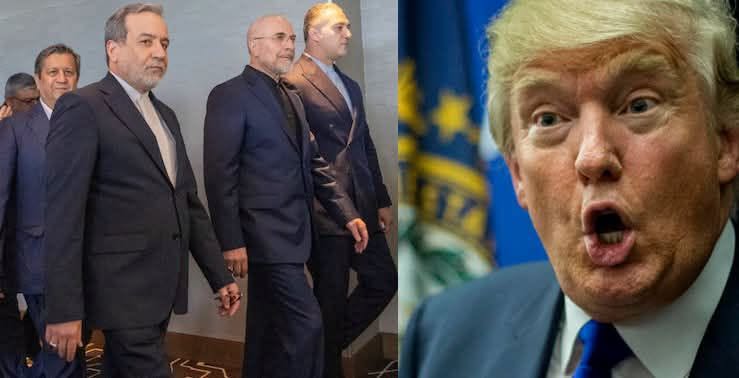
The current negotiations are particularly significant because they come after years of hostility, economic sanctions, military confrontations, and diplomatic breakdowns between Washington and Tehran. Relations between the two countries have remained tense since the 1979 Iranian Revolution, but recent events pushed tensions to some of the highest levels seen in decades. One of the biggest concerns for U.S. officials is ensuring that Iran’s nuclear activities remain transparent and subject to international monitoring. American negotiators are seeking a system that would allow inspectors regular access to Iranian nuclear facilities, uranium enrichment sites, and research centers. Such inspections are viewed as a critical confidence-building measure. Iran, meanwhile, is seeking economic relief. Years of sanctions have significantly affected Iran’s economy, reducing oil revenues, limiting access to international banking systems, and contributing to inflation and unemployment. Iranian officials argue that any long-term agreement must include meaningful sanctions relief that benefits ordinary citizens. The negotiations are also being watched closely by Israel, one of America’s closest allies in the Middle East. Israeli leaders have consistently expressed concerns about Iran’s nuclear program and regional influence. Any final agreement will likely be scrutinized carefully by Israeli security officials to determine whether it adequately addresses their concerns. Several Arab nations in the Gulf region are also monitoring the talks. Countries such as Saudi Arabia, the United Arab Emirates, Qatar, Bahrain, and Kuwait all have major security and economic interests tied to regional stability. Reduced tensions between Washington and Tehran could lower the risk of conflict across the Gulf. Another important topic involves military activities in the region. The United States maintains military bases and naval forces throughout the Middle East, while Iran supports various allied groups across the region. Negotiators are reportedly exploring ways to reduce the risk of direct military incidents that could accidentally trigger a larger conflict. The Strait of Hormuz remains one of the most sensitive issues under discussion. Approximately one-fifth of the world’s oil trade passes through this narrow waterway. Even a short disruption could affect fuel prices globally, making its security a top priority for governments and businesses alike. Energy markets reacted positively to the first reports of progress. Investors generally view diplomatic solutions as reducing the risk of supply disruptions. Lower geopolitical tensions often help stabilize oil prices, which can influence gasoline prices in the United States and around the world. The talks also include discussions about prisoner exchanges and humanitarian concerns. While these issues are separate from nuclear negotiations, they are often viewed as confidence-building measures that can improve the atmosphere for broader diplomatic agreements.
Experts note that trust remains one of the greatest obstacles. Previous agreements between the United States and Iran have faced political opposition in both countries. Negotiators must therefore design mechanisms that can survive changes in political leadership and domestic pressure. Within the United States, opinions about the negotiations are divided. Supporters argue that diplomacy is the most effective way to prevent conflict and reduce nuclear risks. Critics worry that Iran may receive economic benefits without making sufficient concessions on security issues. Within Iran, leaders must also balance domestic political considerations. Hardline factions often view negotiations with Washington skeptically, while reform-minded groups generally support diplomacy as a path toward economic improvement and international engagement. European governments have largely welcomed the talks. Nations such as the United Kingdom, France, and Germany have long supported diplomatic solutions and are encouraging both sides to continue negotiations. European leaders hope a successful agreement could reduce instability throughout the region. China and Russia are also observing developments carefully. Both countries maintain relationships with Iran and have strategic interests in regional stability, energy markets, and global trade routes. Their reactions could influence how future agreements are implemented. Security experts emphasize that even if a preliminary agreement is reached, implementation will be far more difficult than negotiation. Verification systems, inspection schedules, sanctions adjustments, and compliance reviews will require months or even years of continued cooperation.
The economic impact of a successful agreement could be substantial. Increased Iranian oil exports could contribute additional supply to global markets, potentially easing pressure on energy prices and improving economic conditions in several countries. For global businesses, reduced tensions could improve confidence in international shipping routes and investment opportunities throughout the Middle East. Many companies have delayed investments because of concerns about regional instability. Military analysts caution that a single incident could still derail progress. Unexpected clashes, attacks by proxy groups, political disagreements, or domestic opposition in either country could quickly complicate negotiations despite recent optimism. Many diplomats compare the current talks to a fragile bridge being built between two longtime adversaries. The first steps have been taken, but both sides must continue moving carefully if they hope to reach a durable agreement. Ultimately, the outcome of these negotiations could shape Middle Eastern politics, global energy markets, and U.S. foreign policy for years to come. If successful, the talks may become one of the most important diplomatic achievements of the decade. If they fail, the region could once again face rising tensions, economic uncertainty, and the risk of renewed confrontation. Beyond the immediate issues of sanctions and nuclear inspections, many analysts believe these negotiations are actually about something much larger: whether the United States and Iran can establish a predictable relationship after nearly half a century of hostility. Since 1979, the two nations have often communicated through intermediaries rather than through direct diplomatic engagement. The current talks represent one of the rare moments when senior officials from both sides are discussing multiple issues simultaneously.
A major challenge is that both governments have different definitions of success. American officials want a deal that can demonstrate stronger security guarantees, greater transparency, and reduced regional tensions. Iranian leaders want proof that future economic relief will be reliable and not disappear because of political changes in Washington. One issue attracting significant attention is uranium enrichment. Iran insists on maintaining what it calls its sovereign right to peaceful nuclear technology. The United States and its partners, however, want limits that ensure enrichment activities cannot be quickly converted into a weapons program. Finding a compromise on this issue may determine whether the negotiations ultimately succeed or fail. The talks are occurring during a period of major geopolitical change. The Middle East is experiencing shifts in alliances, economic priorities, and security arrangements. Several countries are investing heavily in economic diversification, infrastructure, and technology. Many regional leaders view stability as essential for attracting investment and sustaining long-term growth. Economic considerations are driving both sides toward diplomacy. Iran hopes that reduced sanctions could increase foreign investment, strengthen its currency, and improve living standards. The United States, meanwhile, recognizes that prolonged instability can affect global energy markets, shipping costs, and broader economic conditions. The role of Qatar in the negotiations has been particularly important. Qatar has developed a reputation as a diplomatic mediator capable of maintaining communication with countries that often refuse to speak directly with one another. Its involvement has helped create a neutral environment for sensitive discussions. Pakistan’s participation as a facilitator has also drawn attention. As a major regional power with relationships across the Islamic world, Pakistan has encouraged dialogue and emphasized the importance of avoiding military escalation that could affect the broader region.
Another important issue is cyber security. Although not always discussed publicly, cyber operations have become an increasingly important part of modern geopolitical competition. Experts believe negotiators may eventually discuss mechanisms designed to reduce cyberattacks targeting critical infrastructure, financial systems, and energy facilities. Regional proxy conflicts remain one of the most complicated challenges. Over the years, numerous armed groups throughout the Middle East have been associated with broader regional rivalries. Diplomats recognize that lasting peace will be difficult if local conflicts continue to create opportunities for escalation. The humanitarian dimension should not be overlooked. Years of sanctions, economic pressure, and regional instability have affected millions of ordinary people. Many observers hope that successful diplomacy could improve access to medicine, international trade, educational exchanges, and humanitarian assistance. Some foreign policy experts believe the negotiations could eventually lead to broader discussions about maritime security. The Gulf region contains some of the world’s busiest shipping lanes, and protecting commercial traffic has become a shared interest among many nations regardless of political differences. Military planners are closely monitoring developments because reduced tensions could lower the likelihood of accidental confrontations between American and Iranian forces operating in close proximity. Such incidents have historically been among the greatest risks for rapid escalation. The negotiations are also being watched carefully by global financial institutions. Markets generally prefer stability and predictability. Investors often react positively when diplomatic solutions appear more likely than military conflict.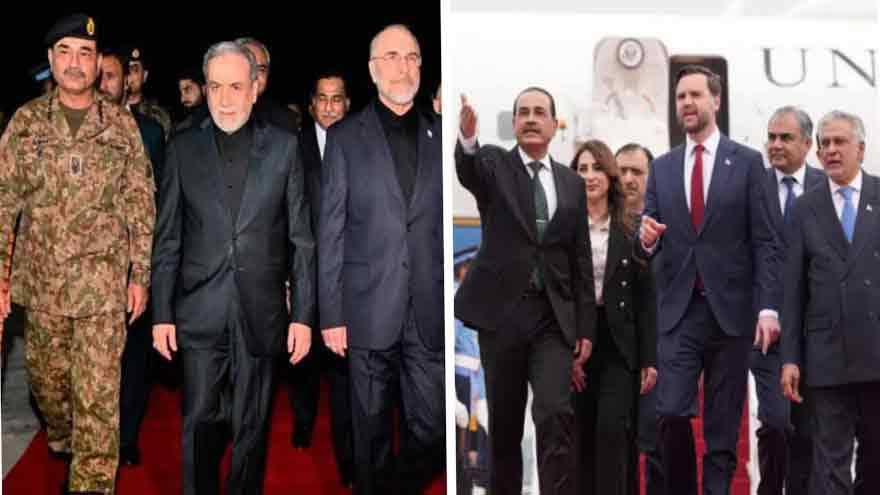
Energy analysts note that Iran possesses some of the world’s largest oil and natural gas reserves. If restrictions on exports were eased over time, Iran could become a more significant participant in global energy markets, potentially influencing prices and supply chains.
The current discussions may also influence future diplomatic efforts elsewhere. If longtime adversaries such as the United States and Iran can reach meaningful agreements, other countries may view diplomacy as a more attractive option for resolving disputes.
Public opinion remains an important factor. Leaders in both countries must convince their citizens that negotiations serve national interests. Domestic political opposition can sometimes become as challenging as the negotiations themselves.
Historical memories continue to shape attitudes on both sides. Events stretching back decades—including the Iranian Revolution, the hostage crisis, military confrontations, sanctions, and previous failed agreements—still influence how leaders and citizens view one another.
Security experts often describe negotiations like these as a process rather than a single event. Even if a formal agreement is reached, success will depend on implementation, monitoring, dispute resolution mechanisms, and sustained political commitment.
Many observers believe the next few weeks could be decisive. The technical working groups now meeting behind closed doors will tackle the most difficult details. While public statements often focus on optimism, much of the real work occurs in these technical discussions.
The international community generally views the negotiations as a rare opportunity to reduce tensions in a region that has experienced decades of conflict. Governments around the world understand that the outcome could affect everything from oil prices and global trade to security cooperation and international diplomacy.
Ultimately, the significance of these talks extends far beyond the relationship between Washington and Tehran. The negotiations could influence the future balance of power in the Middle East, shape global energy markets, affect international security strategies, and determine whether diplomacy can succeed where years of confrontation have failed. If the process continues to make progress, historians may eventually view these discussions as a turning point in modern Middle Eastern politics.
The Potential Long-Term Impact of the U.S.–Iran Peace Negotiations
If the negotiations continue to progress, the agreement could become one of the most significant diplomatic achievements of the 2020s. Few international disputes have affected global politics for as long or as deeply as the conflict between the United States and Iran. A successful outcome would not instantly erase decades of mistrust, but it could begin a gradual process of normalization that many experts once considered impossible.
One of the most immediate benefits would likely be a reduction in the risk of military conflict. For years, analysts have warned that a single miscalculation in the Persian Gulf, the Strait of Hormuz, Iraq, Syria, or Lebanon could trigger a broader regional confrontation. By establishing direct communication channels and crisis-management mechanisms, both sides hope to reduce the chance that isolated incidents spiral into larger conflicts.
The economic consequences could also be substantial. Iran’s economy has faced significant challenges under sanctions, while businesses around the world have been forced to navigate uncertainty regarding Middle Eastern stability. If restrictions are eased and tensions decline, international trade could expand, investment opportunities could increase, and economic cooperation could gradually improve.
For ordinary Iranian citizens, a successful agreement could mean greater economic opportunities, improved access to global markets, and a stronger national economy. Many Iranians have spent years living under economic pressure caused by inflation, currency instability, and reduced foreign investment. Diplomatic progress could help improve living standards over time.
For American consumers, the effects could be felt through energy markets. While oil prices depend on many factors, reduced geopolitical tensions generally contribute to greater market stability. Lower risks of supply disruptions can help moderate price volatility, affecting gasoline costs and transportation expenses.
Regional governments are also calculating what a successful agreement might mean for their future security strategies. Some countries hope improved U.S.–Iran relations could reduce regional rivalries and create opportunities for broader diplomatic cooperation. Others remain cautious, preferring to wait and see whether commitments made during negotiations are actually implemented.
The military dimension remains critical. Even if an agreement is signed, both sides will likely maintain significant defense capabilities. The goal of the negotiations is not to eliminate strategic competition entirely but rather to manage it in ways that reduce the likelihood of war.
Another important issue involves trust. Diplomatic agreements are ultimately built on confidence that commitments will be honored. Years of mutual suspicion cannot be erased through a single negotiation. Confidence-building measures, verification systems, and ongoing dialogue will be necessary to maintain progress.
International organizations will likely play a major role in implementation. The International Atomic Energy Agency, the United Nations, and other institutions could be involved in monitoring compliance, resolving disputes, and supporting long-term stability efforts.
Political leaders on both sides face domestic challenges as well. Any agreement will be scrutinized by lawmakers, security officials, political opponents, and the public. Maintaining support for diplomacy may prove just as difficult as reaching an agreement in the first place.
Some experts compare the current negotiations to other historic diplomatic breakthroughs. Agreements between longtime rivals often begin with limited objectives before expanding into broader cooperation. Success usually comes through gradual progress rather than dramatic overnight transformation.
The coming weeks will therefore be crucial. Technical experts, diplomats, military officials, and economic advisers will continue refining details behind closed doors. Their work will determine whether the current roadmap evolves into a lasting framework or becomes another missed opportunity.
While optimism has increased following the first round of talks, experienced diplomats caution against expecting immediate results. Complex international agreements require patience, compromise, and sustained political will. Many difficult questions remain unresolved.
Nevertheless, the fact that negotiations are taking place at all is viewed by many observers as a significant achievement. After years of escalating tensions, direct dialogue has created possibilities that did not exist only months ago.
Conclusion
The U.S.–Iran peace negotiations represent far more than a routine diplomatic meeting. They are an attempt to reduce one of the world’s most enduring geopolitical conflicts, stabilize a strategically important region, and prevent future military escalation. The discussions involve nuclear oversight, economic sanctions, regional security, energy markets, maritime safety, and international diplomacy.
The stakes are extraordinarily high. Success could improve regional stability, strengthen global economic confidence, reduce the risk of conflict, and open new opportunities for cooperation. Failure could revive tensions, increase uncertainty, and heighten concerns about future confrontations.
At this stage, no final agreement has been reached, and significant obstacles remain. Yet the willingness of both sides to continue negotiating has created cautious optimism among diplomats, investors, security experts, and governments worldwide.
For now, the world is watching closely. The decisions made in Switzerland over the coming days and weeks may influence Middle Eastern politics, global energy markets, and international security for years to come. Whether these negotiations become a historic breakthrough or another chapter in a long and difficult relationship will depend on the ability of both nations to transform dialogue into lasting action.

